
Purchasing new hiking boots? Are you a fan of short backpacking trips or a professional hiker? I was advised to purchase my hiking boots in a size larger than standard shoes when I first started trekking. That initially struck me as weird, but it makes perfect sense when you consider the science of feet.
Your feet swell up naturally at the end of the day, regardless of your age or state of health. Just how feet move. You probably already know this if your job needs you to stand all day. Even if not, you might find it satisfying to remove your shoes at the end of the day without fully understanding why.

- Why is this a problem? Hiking shoes
- Buying hiking boots: what to consider?
- Type of hike
- Weather
- Terrain
- Types of hiking boots
- Hiking boot fit
- Day boots
- Backpacking boots
- How to wear hiking boots?
- Typically, bigger is better
- Watch your contact points
- Socks are important
- Right hiking boots feature
- Lightweight
- Breathability
- Sustainability
- Hiking boot components
- Midsoles for hiking boot
- Hiking boot outsoles
- How to know the support your feet require
- Test them both by lacing them up
- Questions to ask before buying the right hiking boots
- Conclusion
Why is this a problem? Hiking shoes
Here’s why. Because of your swollen feet! And the more you interact with them, the bigger they’ll grow. Therefore, should you choose hiking boots that are a size larger? Yes!
It depends on a number of factors, which I’ll discuss further down, but generally speaking, it should be at least one size (or half a size) larger.
Naturally, you want a snug fit, but not one that makes you feel as though you have boa cirri on your feet.
However, you don’t want it to be too loose because you need space to move your toes. Additionally, you need to account for socks because they will take up some space within each boot.
You’ll get the greatest fit possible by trying them on at the end of the day when your feet naturally expand and with the types of socks you’ll use while hiking.
But let’s not jump to conclusions just yet, ok? I’ll go over everything you need to know about buying hiking boots and what to look for, so keep reading!

Buying hiking boots: what to consider?
Not every circumstance calls for the same boot. As you narrow down your options, use your individual hiking preferences and habits as a guide.

Type of hike
The type of trekking you’ll be undertaking is one of the most crucial factors to take into account when purchasing a new pair of hiking boots. You should pick backpacking footwear if your notion of a fun hike is a multi-day backpacking trip on the AZ Trail.
This type of hiking boot often has a lot more robust ankle support and less flexible soles. Day hiking boots or shoes are a good place to start for folks who prefer shorter day excursions, as they are ultralight trail shoes.
Weather
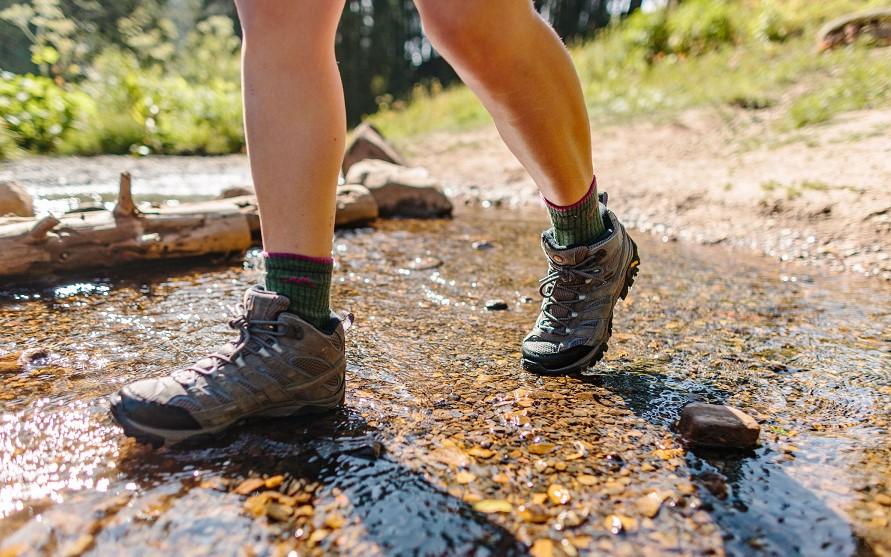
However, the types of weather you experience most frequently will influence how you choose your hiking footwear. Hikers negotiate all kinds of weather conditions.
For instance, hikers working in more soggy situations will need boots with good water resistance.
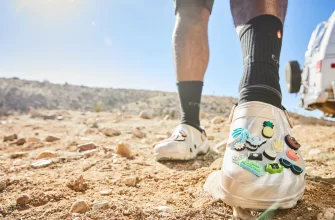
Conversely, individuals who prefer desert hiking should put a higher priority on hiking boots that are breathable in hot, dry circumstances and can withstand strong UV radiation.

Terrain
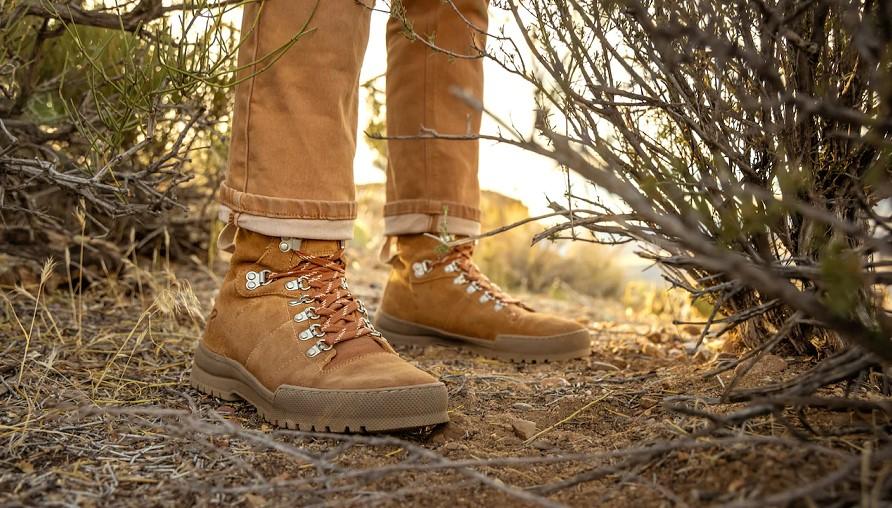
Your choice of hiking boots will also be greatly influenced by the type of terrain you’ll be traversing. Rocky terrain necessitates footwear with thicker, less flexible soles that offer additional foot-bottom protection.
Hiking boots with a higher cut and characteristics like a gusset and cushioned collar at the ankle are needed in areas where trails frequently contain sand and other debris.
Types of hiking boots
There are many different designs of hiking boots, and each one is made to function best in a particular set of circumstances. Here are the various hiking boot varieties and the trail uses where each one truly shines.

Hiking boot fit
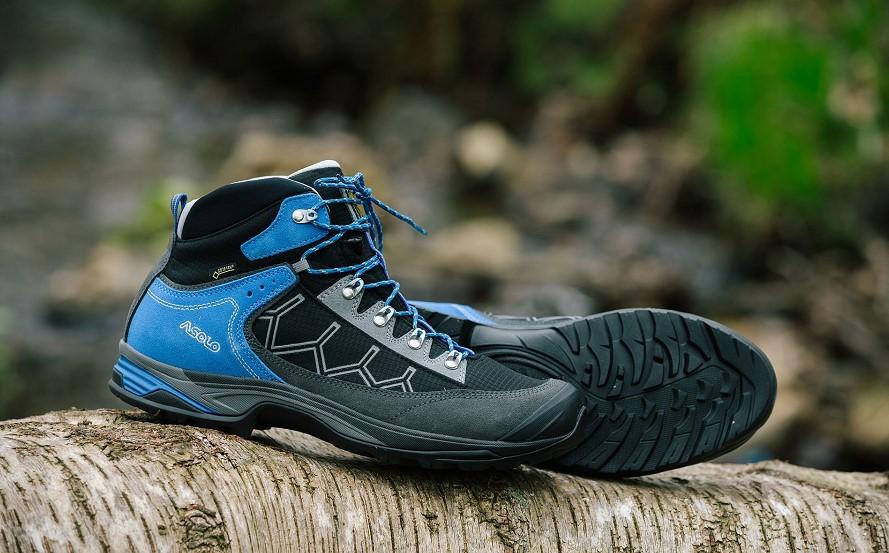
Light day walks, and trail jogging are both suitable activities for hiking boots. With lower tops and more flexible midsoles than hiking boots, these resemble sneakers most closely. But don’t be fooled by their resemblance to sneakers; hiking shoes are specifically made for trail trekking and offer considerably greater foot support and protection than shoes made for sidewalks or shopping centers.

Day boots
Day hiking boots often include mid- to high-cut ankle support that makes them suited for more challenging day hikes or quick backpacking trips. They are a step up from hiking shoes in terms of rigidity and support. But not compared to backpacking and mountaineering boots. Backpacking boots are much stronger and more durable.
The aim of backpacking and mountaineering boots though is to be used on harder distances than walking boots for short backpacking trips.

Backpacking boots
Backpacking boots are made with a high cut that offers significant ankle support and is intended to keep your feet comfortable for long days on the trail (or off) while carrying highly loaded backpacks.
Backpacking boots, which are more frequently worn for multi-day journeys into the wilderness, feature considerably more firm midsoles than day hiking boots, which are ideal for preventing feet from quickly becoming exhausted as they wrap around each rock and root.

How to wear hiking boots?
When going off-trail or on it, properly fitted hiking boots and shoes should be comfortable to wear for miles. Here is how to put them on.
Typically, bigger is better
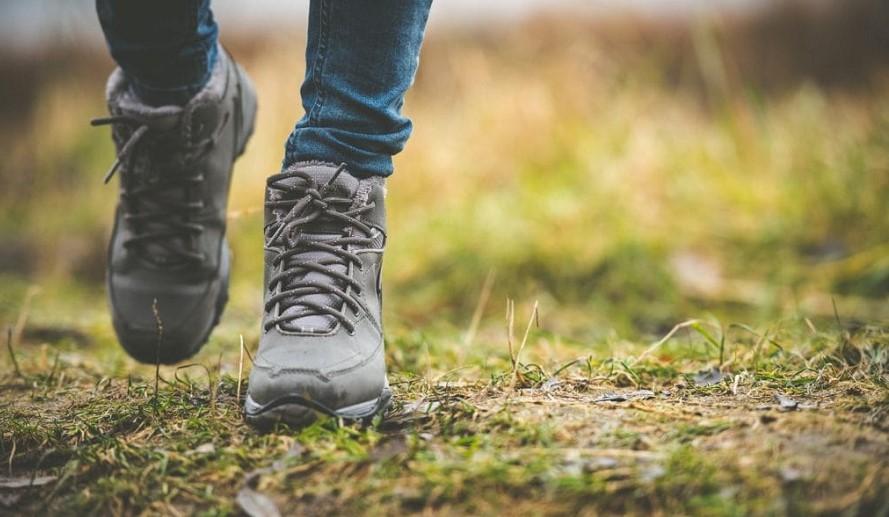
Wear larger hiking shoes or boots because your feet swell a little bit when trekking.
Aim to get hiking boots that are a half size bigger than you believe you need in general.

Watch your contact points
Your feet shouldn’t experience any pressure points if your hiking boots are fitted properly. If wearing them causes you to feel pressure points when you try them on, there’s a good probability that discomfort will be greatly exacerbated once you start moving through the wild.
Socks are important
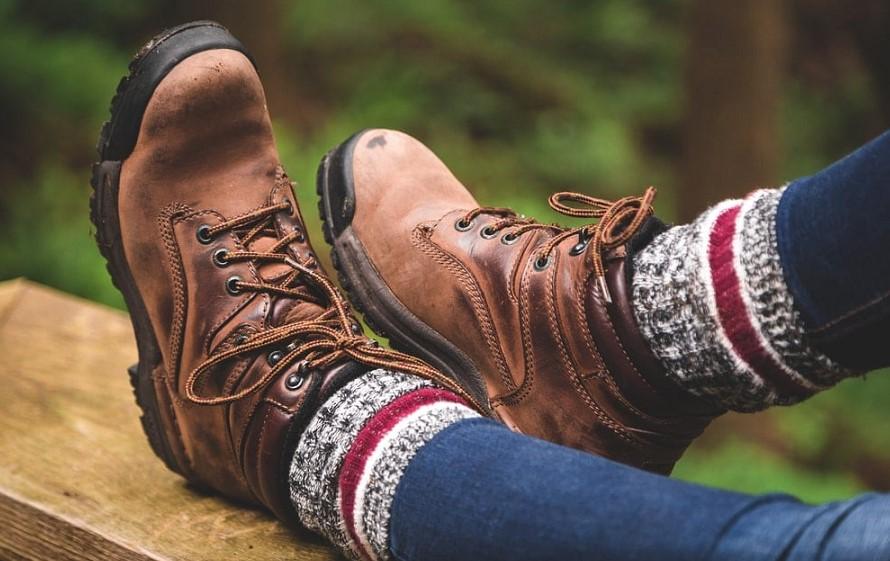
A comfortable experience on the path can be had by wearing your hiking boots with a good set of hiking socks. In comparison to streetwear socks, hiking socks are thicker and more breathable.
Right hiking boots feature
Shoes and footwear made for trekking are not all created equal. Some include unique features that might improve your trail experience even further.
Lightweight
Having hefty hiking boots or shoes makes long days on the trail seem even longer. Purchase the lightest pair of shoes that will still fit your needs. Your legs will appreciate it.
Breathability
Blisters are frequently brought on by damp feet (and stinky feet). Even on the most strenuous hikes, your feet should remain dry and well-ventilated with hiking boots and shoes that are very breathable.
Sustainability
The majority of hiking boots and shoes are constructed of synthetic materials. This means that for many decades to come, your old shoes will be sitting in a landfill. Environmentally friendly footwear is frequently a focus for outdoor enthusiasts.
Ask the manufacturer if they utilize non-biodegradable materials and what actions they’ve done to become a carbon-neutral company before making a purchase.
Hiking boot components
The uppers of a hiking boot have an impact on the weight, breathability, toughness, and water resistance of the footwear.
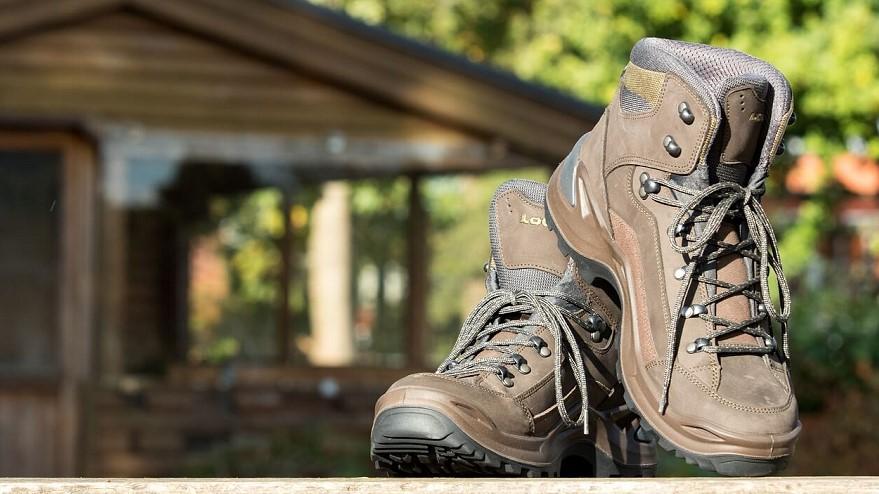
Full-grain leather: Full-grain leather has very good water resistance, outstanding durability, and resistance to abrasion. It is most frequently found in trekking boots designed for lengthy journeys, hefty packs, and difficult terrain.
Contrary to nylon/split-grain leather combinations, it is not as lightweight or breathable. Before embarking on a lengthy journey, adequate break-in time is required.
Full-grain leather that has been buffed to resemble suede is known as nubuck leather. It is extremely resilient and abrasion- and water-resistant. Although it’s pretty flexible, it too needs time to break in before a long hike.
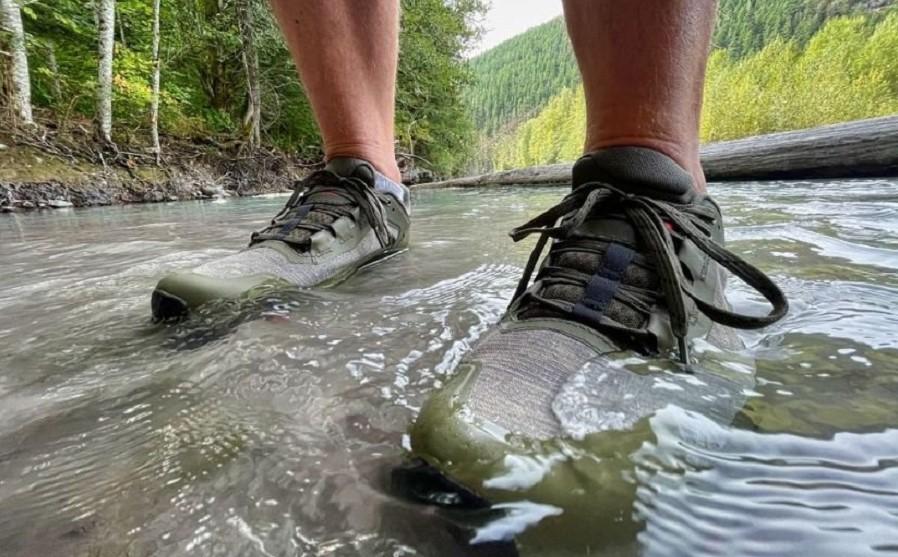
Waterproof hiking boots: Boots and shoes that are advertised as being “waterproof” have uppers made of waterproof/breathable membranes to keep feet dry in slick situations. Cons: On hot summer days, feet may sweat more due to the membrane’s decreased breathability (compared to the ventilation mesh found on some non-waterproof shoes).
Midsoles for hiking boot
A hiking boot’s stiffness is mostly determined by the midsole, which offers to cushion, and protects feet from shock.
Although stiff hiking boots may not seem like a smart idea, they can actually provide improved comfort and stability during extended hikes over rough, uneven terrain.
By wrapping around each rock or tree root, you step on, a stiff hiking boot prevents your foot from deteriorating. Polyurethane and EVA (ethylene vinyl acetate) are the most often used midsole materials.
Hiking boot outsoles
The outsoles of all hiking boots are made of rubber. To increase the hardness of mountaineering or hiking boots, additives like carbon are frequently used. Although they boost longevity, hard outsoles can feel slick if you stray from the path.
How to know the support your feet require
Normal support should be adequate for the majority of people. Ask your podiatrist first if you have any foot issues, such as chronic discomfort or plantar fasciitis. Everyone else can consider the type of terrain, the weight of the load you’ll be carrying, the height of your arch, and the actual design of the shoes.
You can always add an insole too, but getting the right fit on the rest of the foot will ensure surefootedness on every hike from here on out!

Test them both by lacing them up
Lace-up the hiking boot one and do the same for the second. Then get to your feet and try to wiggle your hiking shoes. The front of the shoe should be barely touched by those huge toes. It’s too big if there is more than a thumb’s width between your big toe and the front of the shoe.
Socks should also be taken into consideration. This is why you should try on the socks you plan to wear, so you can be certain that they will fit.
Questions to ask before buying the right hiking boots
The first step in your purchasing procedure is getting fitted. You can only do this if you want to get the ideal hiking footwear for you. Both of your feet must be measured, and it must be done when you are sitting, or standing, taking into account more than simply the length of the feet. The width and length of the arch should also be measured:
- How much bigger should a hiking boot be?Your longest toe and the end of the insole should be separated by a thumb’s width.
- Should you get walking boots a size bigger?Put on the proper socks. You can evaluate the fit and feel of new shoes more immediately when you are wearing familiar socks. Make sure the socks’ thickness corresponds to the clothing you plan to wear. Additionally, use synthetic socks on the trail rather than slow-drying cotton ones, which are more prone to cause blisters. Shop the hiking sock section at REI.Spend a while wearing the boots. Visit the store and take a look around. Stairs should be traversed. Walk on an incline if you can find one.
- Should you size up when buying boots?The best method is to have REI measure the length, width, and arch length of your foot using a properly calibrated fit instrument. Another element of a good fit is foot volume, which needs to be measured by a retail expert.
- Should you upsize hiking shoes?Your feet will be the largest then because they often swell a little during the day’s activities. This assists in preventing the purchase of too-small footwear.
Conclusion
Buying hiking boots that are one size larger gives you room for your toes to move and space for socks. But you can’t just get a pair of boots that are one to two sizes larger than your typical shoes. It is necessary to first try them on and see how they feel. Even having your right socks on, some can still be too big. Even if you go by the rules, some people might pinch.
It’s simple to find out how you’ll feel on the trail by testing them out first. Getting fit is a crucial step toward enjoying pleasant treks in your new hiking boots.