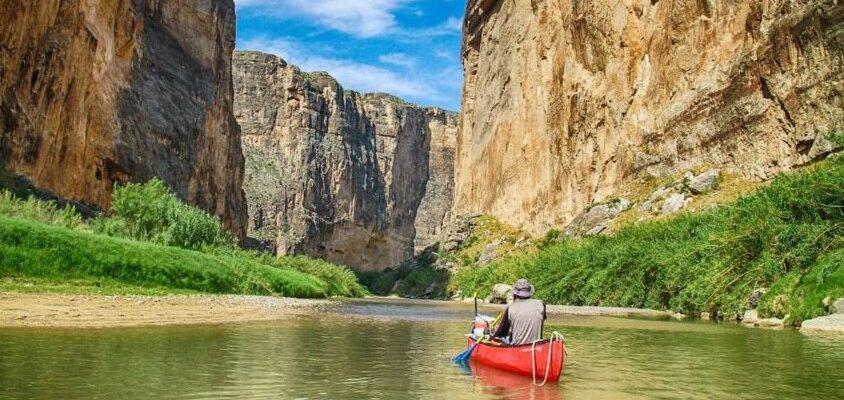
Big Bend National Park is a fascinating place with many adventures and opportunities to explore something new.
It is a spectacularly beautiful natural area with a rich and fascinating history. Hiking, camping, rafting, stargazing, and jeep ride opportunities are available on paved roads in Big Bend National Park and Big Bend Ranch State Park. But is it really safe to visit Big Bend? Let’s see!
- What is Big Bend National park
- What you need to know before visiting
- Big Bend National Park geography
- Wildlife of Big Bend National Park
- The Big Bend National park’s climate
- Big Bend National Park activities
- The Big Bend National Park hiking and trekking trails
- Riding in Big Bend National Park
- River flowing in Big Bend National Park
- Stargazing at Big Bend National Park
- More places to visit
- How do you stay safe in Big Bend National Park?
- Safety tips if you encounter wild animals
- What to wear while hiking in the desert?
- Malaises you may face: signs, symptoms and how to cope with it
- Is Big Bend National Park safe from illegal immigrants?
- Is Big Bend safe to camp?
- Conclusion
What is Big Bend National park
Big Bend National Park, located in west Texas, is known as one of the most remote national parks in the 48 U.S. states, and even more remote on the Mexican side.
It borders the famous Rio Grande River, which also serves as the international border between the United States and Mexico.
In fact, Big Bend National Park gets its name from the large bend in the river that curves along the park’s 190-kilometer-long border.
It is a wild and beautiful natural region. It has magnificent mountains, desert landscapes, deep canyons, and impressive geological formations. There are volcanic dikes, marine fossils, and million-year-old dinosaur bones in the Big Bend National Park.

What you need to know before visiting
You probably have many questions about the Big Bend visit. For example, about the geography of the park, its climate, flora and fauna, service, and of course safety. We are ready to answer these questions and dispel all your doubts!
Big Bend National Park geography
Big Bend National Park has many geographic contrasts. These include vegetation areas along the Rio Grande River, the Chisos Basin, the sparse Desert, and limestone outcrops in the Hurma Gorge and the Boquillas Canyon.
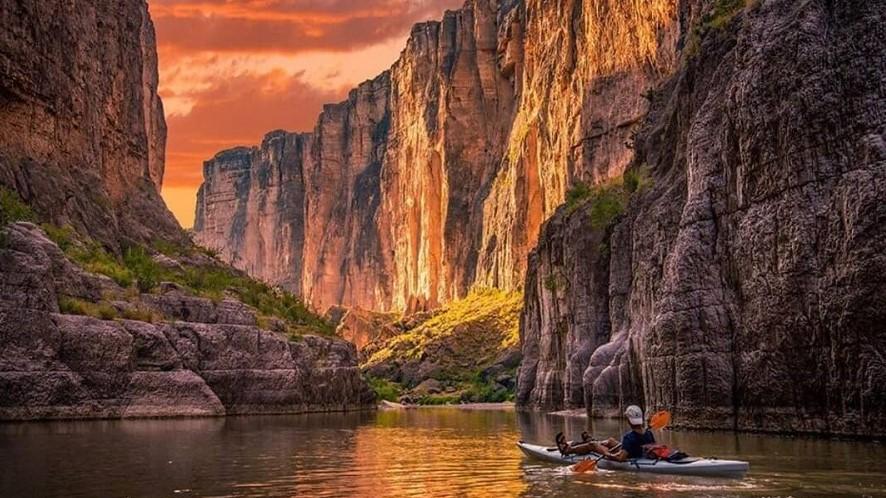
Over millions of years, the waters of the Rio Grande have slowly carved 1,500-foot-high walls cutting through Santa Elena Canyon. These walls are composed of layers of limestone deposited in Big Bend’s past.
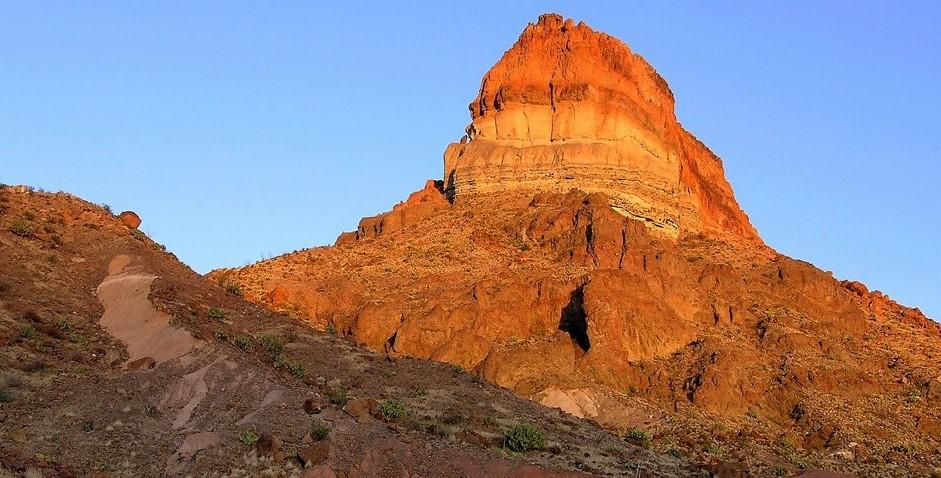
The Chisos Mountains are like islands in the sky, surrounded by deserts. It was formed by volcanic activity millions of years ago. The highest peak of the Chisos Basin is called Emory Peak and is at 7,825 feet. This mountain range is the southernmost ridge of the continental United States.
The Chihuahuan Desert is one of the most biologically diverse deserts in the world. There is a large variety of cactus plants that can be found here. During the season of rain, the desert is magically transformed into carpets of flowers. This can be seen if you go to Big Bend Park in the period from late March to early April.
The River of the Rio Grande is a true oasis. The Mexican village of Boquillas is located on its shores. Among the sand and water in Big Bend Park, you can also find rock systems. Some of them have an orange hue. The park’s feathered predators, vultures, are crowded here.
Wildlife of Big Bend National Park
Big Bend National Park is home to a wide diversity of wildlife. Amazingly, it can support a rich variety of life despite such tough conditions. The complex ecosystem of mountains, deserts, and favorable valleys of the park makes this possible. So let’s take a look at some of the species of wildlife that exist within the park.
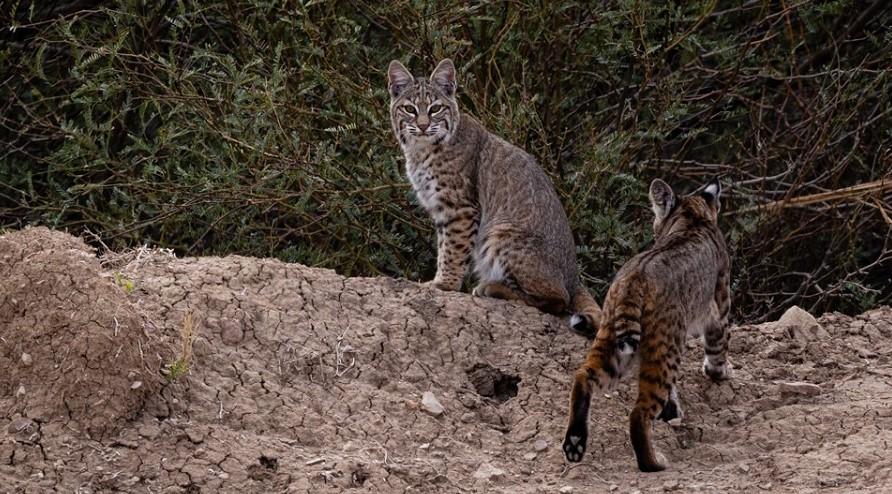
The Big Bend region is known to be the home of more than 80 mammals. Among the most common mammals are raccoons and spear deer. You can also see more unique creatures such as desert bighorns, musk oxen, pronghorns, black bears, and other animals.
The park is also home to more than 450 species of birds. As it is located in the middle of one of North America’s major flyways, the Big Bend National Park is an ideal place to watch them.
The Big Bend National park’s climate
The climate of Big Bend National Park can be described as extreme, with remarkable variations, so you should be prepared for surprises while visiting Big Bend.
Generally speaking, summers are scorching, with temperatures ranging from above 100° F on the desert floor to between ten and twenty degrees below in the Chisos Mountains. The hottest months are June and August.
It rains from May till September, after which there are severe thunderstorms and flash floods. Since afternoon and evening rains often cool the desert, the rainy season can be a pleasant time to visit. Autumn is quickly followed by winter, usually moderate and colorful, although there are periods when it can be gloomy and very cold. Snow is rare and usually mild.
Our safety advice: while visiting Big Bend Park, dress appropriately for the weather. In summer, you need to take care not to become overheated because it is quite hot in the daytime. In cooler months, you should definitely wear layered clothing, as temperatures can be around zero in the early morning and rise to 30 degrees in the afternoon.
The temperature in Big Bend Park also depends on the altitude. For example, it can be 20 degrees lower in the Chisos Mountains than along the Rio Grande River. So check the weather forecast for the day before your hike. The park provides weather information to you by calling +1 432 477-1183.

Big Bend National Park activities
As we have already mentioned, the Big Bend National Park offers a great variety of activities. Let us tell you a little more about them.
We are sure that everyone will find something interesting and special for themselves during their trip to this park.
The Big Bend National Park hiking and trekking trails
Big Bend’s main attraction is the hiking and walking trails. The services of a professional tour guide provide hiking in a variety of locations. Some of the trails are:
- The Santa Elena Canyon Trail is a stunning 1.6-mile hike that takes you to Santa Elena Canyon, one of Big Bend National Park’s most spectacular features. The trail follows the river edge, while the canyon walls rise 1,500 feet above you.
- The Boquillas Canyon Trail is a must-do hiking trail. The trail is out and back, with the first part of the trail having stairs and a small switch back. Only the beginning is moderate, with the rest being easy. If the river is low, you can hike into the walls of the canyon.
- If you want a longer trail, you may choose the Lost Mine – a hiking trip in the Chisos mountains. It is a pleasant walk-up and along the ridge with stunning views of Juniper Canyon. Although the trail is 4.8 miles round trip, many hikers prefer to walk just to the observation deck to enjoy stunning views.
- The Hot Springs Trail is one of the popular attractions in the Big Bend National Park. Most visitors reach only the hot springs, although the entire trail, just under a mile long, offers spectacular views of the Rio Grande and the remote areas.
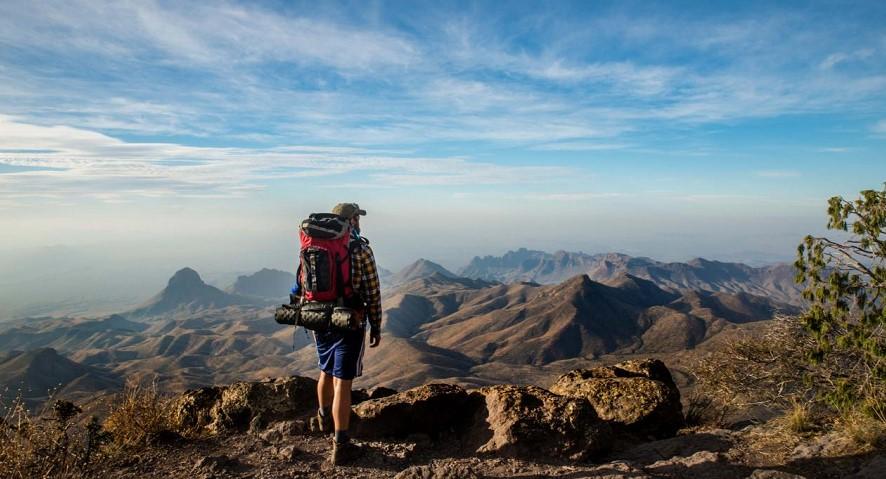
- One of the best ways to explore Big Bend National Park is the South Rim Trail. It starts in the Chisos, then takes you up to the South Rim, where you’ll get a stunning view of the desert. For an even more epic experience, you can add the short but steep ascent of Emory Peak.

Riding in Big Bend National Park
The best way to see Big Bend National Park is by horse riding. Big Bend Ranch State Park offers challenging hikes ranging from 3 hours to multi-day hikes. Some other places to go for horseback riding are Big Bend Stables, Lajitas Stables, Lajitas Resort, Spa Riding Center and Laughing Horse Retreat.
River flowing in Big Bend National Park
The Rio Grande offers kayaking, canoeing, and rafting in Big Bend National Park. The river is not challenging, both for beginners and experienced paddlers. Bring your own gear, rent it from local outfitters, or go on a fully outfitted guided expedition for a duration of two to ten days.
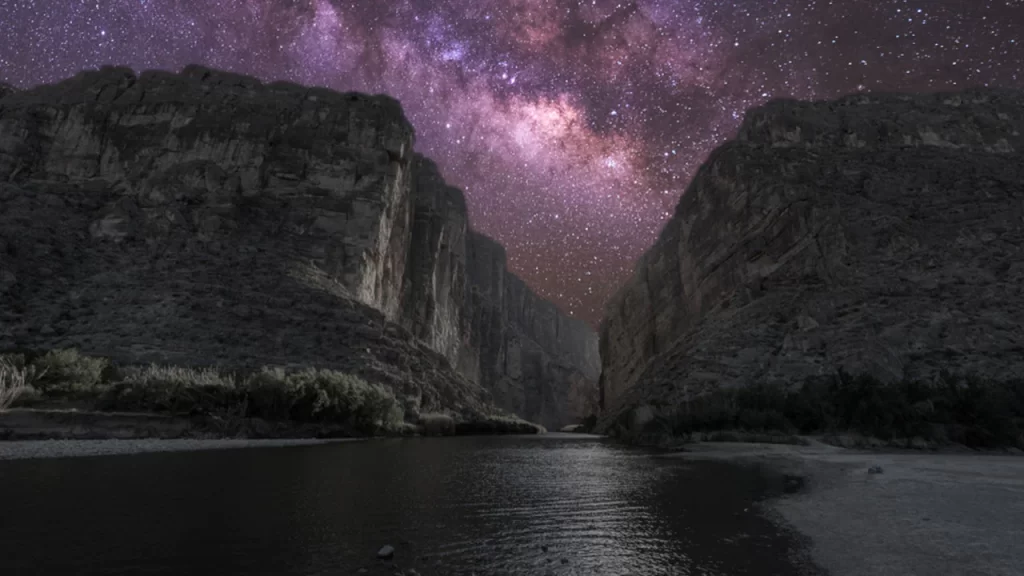
Stargazing at Big Bend National Park
The International Dark Sky Association added Big Bend to its list of gold-level international night skies parks in 2012.
A study found that Big Bend’s dark night sky was free of all but minor impacts of light pollution. There is an observatory in two hours from the park, a must for any star watcher visiting Big Bend, with four research telescopes through which visitors can observe the night sky.
More places to visit
- Panther Junction Visitor Center is a great place to start your trip to Big Bend National Park. Here you can get maps and talk to local rangers and professional hikers. You can also get proper permits at the center if you are camping overnight or want to go kayaking.In order not to get stranded without gas, food, and cell service while in the park, you can fill up at the gas station and buy products at a general store at Panther Junction.
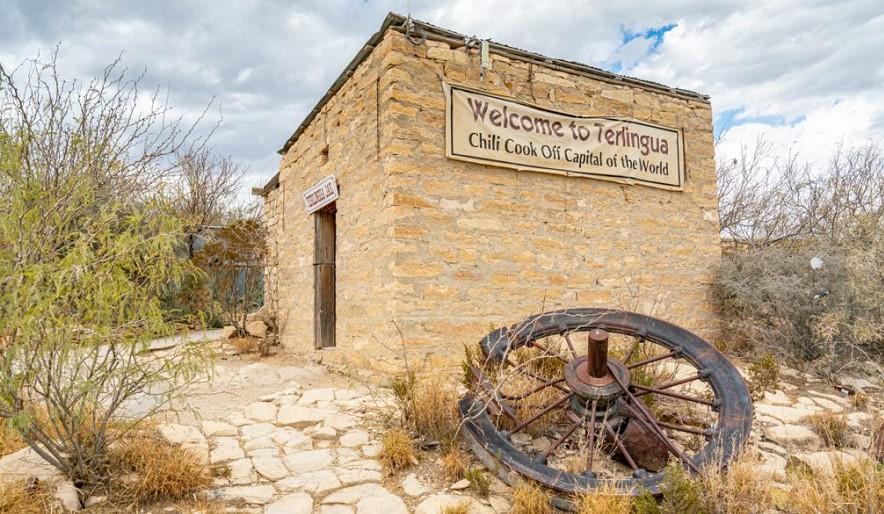
- Terlingua Ghost Town is only four miles from the west gate of the park. A quick visit to Terlingua’s ghost town for lunch is a pleasant activity if you want to taste West Texas.Terlingua Trading Company is the city’s largest business, offering a wide range of souvenirs, crafts, jewelry, and other curiosities. The Starlight Theater restaurant nearby offers an indoor lounge and live music.
- Taking a dip in the springs of Boquillas at 105 Fahrenheit is one of the most popular things to do during your trip to the Big Bend National Park.
How do you stay safe in Big Bend National Park?
So, is Big Bend National Park safe? To allay your fears and prepare you for everything you might encounter in the Big Bend area, we’ve prepared little safety tips for you.
Safety tips if you encounter wild animals
Regardless of where you’re camping, it’s always possible that you’ll come in contact with wild animals. Remember about your safety.
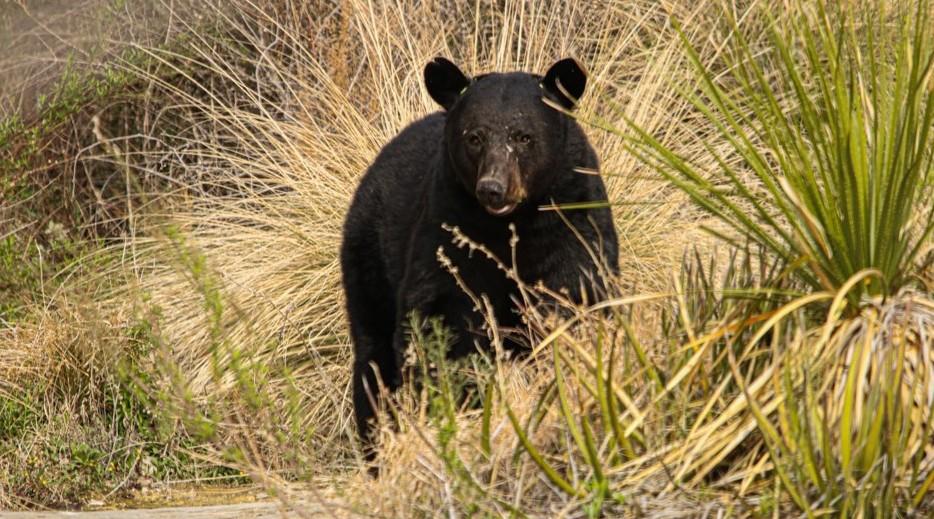
Encountering black bears
- If you see a black bear that is far away or cannot see you, turn around and walk back. It is common sense to not disturb the animal.
- If you feel threatened and see a bear close, stay calm. Bears may come up or stand on their hind legs to get a better look at you. Stand at full height, wave your arms, and speak in a loud, low voice. Do not run away under any circumstances.
- If the bear attacks, almost all attacks are a “bluff”. Many times charged black bears have come within a few feet of a human and then ducked at the last second.
- If a bear approaches your camping area, aggressively chase it away. Make noise, throw rocks, and carry bear spray. Use food storage lockers and don’t let the bear get food.
- If you catch a black bear by surprise, and you are attacked, pretend to be dead. Lie motionless and silent. Black bears usually stop attacking as soon as you are no longer a threat.
Encountering mountain lions
- Be especially careful when resting at dawn or dusk – the peak time for mountain lions activity.
- Consider resting with others. When you are in a group, there is less chance of catching a lion. If you’re going alone, carry bear spray or attach a bell to yourself or your backpack. In general, mountain lions are fearful and rarely approach noise or other human activity.
- If you encounter a lion that doesn’t run away, stay calm, stand your ground, and don’t back down! Raise your arms to appear larger, clap your hands and throw something you are holding, such as a water bottle.
However, smaller animals are no less of a threat, especially in the desert: a Mojave rattlesnake, scorpions, spiders, and millipedes are active during the warmer months. So be alert and careful.
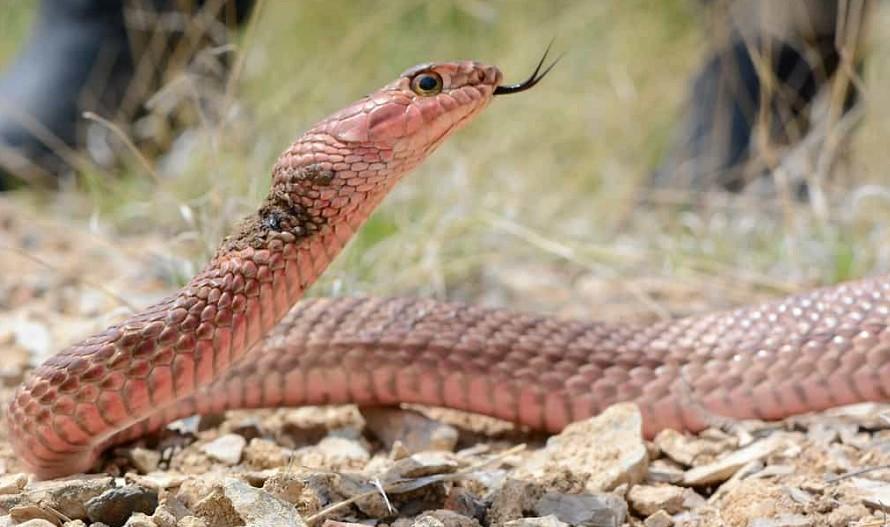
Encountering snakes
- The best thing you can do when encountering a wild snake is to leave it alone. Especially if you’re not sure if it’s venomous.
- If you find yourself closer to the snake on the trail, back away slowly.
- One of the best ways to avoid snake bites is to wear protective clothing. Consider purchasing snake boots. Snake boots are knee-length boots made of materials that the snakes’ fangs cannot pierce.
- Unfortunately, snake bites do happen. If you are bitten, avoid moving around. Limiting your movements will help reduce the entry of venom. Whenever you are bitten by a snake, you should seek professional help. Even if you think the bite is minor.
What to wear while hiking in the desert?
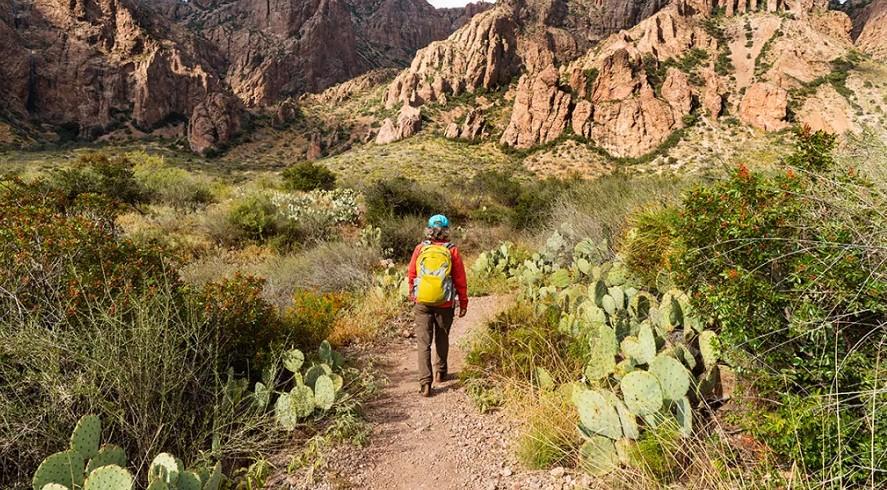
There is a lot to consider when choosing good hiking gear. In general, covering will protect you from most things in the sun, from sunlight to sharp cacti. When hiking, you may need a wide-brimmed hat, long pants, and a long-sleeved shirt to protect you from the sun.
Don’t forget the sunscreen. Closed shoes are also important.
Malaises you may face: signs, symptoms and how to cope with it
If you have a feeling of malaise, you may not feel completely well. Let’s look at the possible causes of malaise and how to deal with them.
Heat exhaustion
If you or anyone else has symptoms of heat exhaustion, you should leave the heat immediately and rest, preferably in an air-conditioned room. If you cannot go indoors, try to find the nearest cool and shady place.
Signs and symptoms:
- Cool and damp skin stuffed with goosebumps during the summer sweat,
- Dizziness,
- Rapid heartbeat.
Treatment:
- Drink plenty of fluids, especially sports drinks, to compensate for lost salt (avoid caffeine and alcohol).
- Take a cool shower, bath, or washcloth.
- Use other cooling measures, such as fans or ice towels.
If these measures do not bring relief within 15 minutes, seek emergency medical attention, as untreated it can turn into heat stroke.
Preventing:
- Wear lightweight, light-colored, loose-fitting clothing, and a wide-brimmed hat.
- Use sunscreen with an SPF of 30 or more.
- Drink extra fluids. To stay hydrated, drink plenty of water, fruit juice, or vegetable juice per day.
Heat stroke
Heat stroke is the most serious form of heat injury and is considered a medical emergency. If you suspect that someone has a heat stroke – call 911 immediately and give first aid until paramedics arrive.
Signs and symptoms:
- Headache,
- Confusion,
- Nausea,
- Excessive sweating,
- Clammy skin.
Treatment:
- Cover the body with a damp sheet or spray them with cool water.
- Take a cold shower or tub of cold water.
- Rehydrate by drinking fluids if possible.
Dehydration
You can become dehydrated for many different reasons. It could be from sweating too much. Vomiting or diarrhea can quickly remove fluids from your body, too.
Signs and symptoms:
- Lack of energy, feeling tired,
- Wet tongue,
- Headaches/nausea,
- Lowered mobility (stumbling),
- Unable to communicate clearly.
Treatment:
- Properly rehydrate by slowing drinking water and eating fruits and vegetables with high water content.
Preventing:
- It is very important how much water you drink to avoid dehydration, so keep a water bottle by your side and keep it in your line of sight.
- Eat more water-filled fruit and vegetables. In fact, cantaloupe, watermelon, leafy greens, and tomatoes all contain 90% water!
- Avoid alcohol consumption if you’re already feeling dehydrated, as this increases your fluid loss.
Is Big Bend National Park safe from illegal immigrants?
As we mentioned earlier, along the southernmost boundary of Big Bend National Park and Big Bend Ranch State Park runs the famous river, which also serves as the international border between the United States and Mexico.
While the views are undoubtedly magnificent, you may still be wondering if it’s safe to be so close to the border.
After spending some time in the park, you will quickly see that this is true. Of course, if you have serious security concerns, you can always turn to the park rangers and Border Patrol agents who live and work in the park.
Considering the vastness of the Chihuahuan, illegal border crossings are difficult and risky but do occasionally occur; however, they generally do not pose a serious threat to park visitors.
Is Big Bend safe to camp?
The Big Bend National Park is well known for its camping opportunities. A lot of hikers, camping lovers, and ordinary travelers visit this state park during the year. Isn’t that a rate of safety and park service quality?
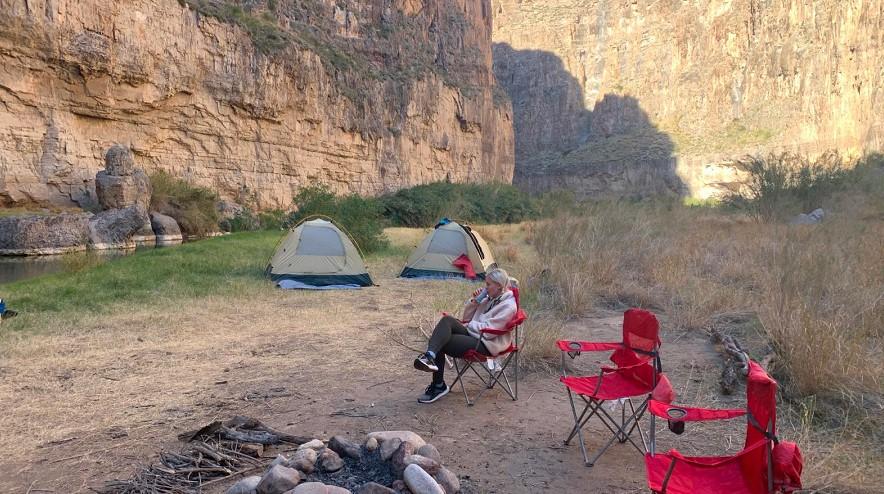
There are three regions in the Big Bend National Park that are especially popular among visitors for camping: the Chisos Basin, the Rio Grande, and Santa Elena.
Some of these locations are for camping with tents, while there are many places where you can drive your mobile home.
Some of the locations are:
- Chisos Basin Camping is located on a narrow plateau at an elevation of 5,040 feet. Because of the temperature and proximity to some of the best hiking trails in Big Bend National Park, this is one of the most convenient places to camp.
- The Cottonwood Camping is the best place to visit if you want to be close to nature and relax. Located in a beautiful spot near the Rio Grande, this campground is home to a variety of birds and animals.
- Rio Grande Village Campground is the largest campground in the Big Bend National Park, but it is divided. It is located near the Rio Grande River. Because of its elevation of 1,850 feet, this campground is one of the warmest in the park.
- Rio Grande Village Camping on Wheels – RV Park is a long and narrow paved parking lot with RV sites. A beautiful picnic area and the start of a hike leading to the hot springs are just down the road from the RV park.
- Maverick Ranch RV Park is a scenic RV park in the Painted Hills. It is about 20 miles from the western entrance to Big Bend National Park and is connected to the Lajitas Golf Resort. The park is pet-friendly and offers Wi-Fi, cable TV, full hookups, bathrooms, showers, laundry facilities, and a dog park.

Conclusion
Overall, while Big Bend National Park’s remoteness can be frightening, and the thought of prickly cacti and poisonous snakes can seem terrifying, there are many things you can do to stay safe on your trip to Big Bend.
I hope this blog post helps you to plan an amazing trip to Big Bend National Park, a beautiful and remote place. Following our safety tips will help to ensure an enjoyable and safe visit for everyone.
More travel inspiration for American National Parks:
- Exploring the Contrasts: Appalachian Mountains vs. Smoky Mountains
- Sedona or Grand Canyon? [Uncover 6+ Key Aspects and Decide Where to Visit]
- Best spring hikes in Washington to be closer to nature
- Top 15 Best National Parks for Spring Break
- Best fall hikes in Washington state: detailed overview!
- Hiking the Narrows for beginners: what you need to know for the best hike in the Zion National Park
- Olympic National Park vs. Mount Rainier: what is the best?