
Hiking in summer is a popular outdoor activity that many people enjoy during summer. With good and clear skies, it’s the perfect time to explore the great outdoors and go on a backpacking trip as well as summer season hiking.
However, it’s important to be prepared with the right gear, especially when it comes to what to wear.
Choosing the correct summer hiking clothes can make a big difference in your comfort and overall experience.
In this article, we’ll cover the basics of what to wear when hiking in summer to keep you comfortable and protected on the trail.
- What to wear hiking in summer
- Pants vs. shorts for hiking
- Hydration packs
- Insulated jacket and layer
- Good layers for summer hiking
- Hiking pants or leggings
- Wear hiking shirts and wear sunblock on exposed skin
- Rain jacket and rain pants
- Opt for wearing lightweight clothing
- Running shoes or trail running shoes
- Hiking boots and socks
- What to consider when it comes to what to wear hiking in summer?
- What summer hiking outfits to wear in the rain?
- FAQs:
- What is the best outfit to wear when hiking?
- How hot is too hot for hiking?
- Should I wear shorts or pants for hiking in hot weather?
- How should I dress for hiking in the woods in the summer?
- Wrap-up: what to wear hiking in summer weather
What to wear hiking in summer
When it comes to what to wear hiking in summer and planning what summer hiking clothes to wear on a summer hike, it’s significant to dress in layers and select lightweight, breathable fabrics.
Here are some key items to consider when putting together your hiking outfit:
- Base layer: Opt for lightweight and moisture-wicking material such as polyester or wool to keep you cool and dry.
- Shorts or pants: Choose quick-drying shorts or pants with built-in sun protection to keep you cool and protected from the sun.
- T-shirt: A short-sleeved t-shirt with a high neck and breathable fabric is ideal for hot weather hiking. Light colors will reflect the sun’s rays and keep you cool.
- Footwear: Good quality shoes or boots with good grip and ankle support are essential for a safe and comfortable hike.
- Hat: A wide-brimmed hat or a baseball cap will protect your face and neck from the sun.
- Sunglasses: Sunglasses will protect your eyes from the sun and help you see more clearly on the trail.
- Hydration: Don’t forget to bring plenty of water and a hydration system to stay hydrated on the trail.
Remember to also bring along sunscreen, insect repellent, and any other necessary gear based on the specific trail and conditions.
When planning what to wear on a hike, consider the following:
- Lightweight and breathable fabric: Opt for clothing made from quick-drying, lightweight materials such as cotton, polyester, or nylon. This will help keep you cool and comfortable during the warm weather.
- Sun protection: Wear hiking lightweight, long-sleeved shirts and a hat to protect your skin from the sun’s harmful UV rays. Consider also applying sunscreen.
- Comfortable footwear: Good hiking shoes or sneakers with proper support and traction are essential. Make sure to break in your footwear before your hike to prevent blisters.
- Appropriate layers: The temperature can fluctuate, so it’s a good idea to carry a lightweight windbreaker or rain jacket in case of sudden changes in weather.
- Proper fit: Make sure your clothing fits comfortably, without being too loose or too tight, to prevent chafing or discomfort during your hike.
Remember to also bring enough water and snacks to stay hydrated and nourished during your hike.

Pants vs. shorts for hiking
For summer hiking clothes, shorts are a good choice as they allow for more ventilation and keep you cooler.
However, pants offer more protection from the elements, such as brush and sun exposure, and can also be more comfortable if you are hiking in areas with insects.
It ultimately depends on your personal preference and the conditions of the trail you will be hiking on.
Hydration packs
Hydration packs are a convenient and efficient way to carry water during summer hiking. They have a hydration bladder, usually made of plastic or silicone, that holds water and a hose or tube that allows you to drink hands-free.
Some hydration packs also have pockets and compartments for carrying other essentials like food, phone, and first-aid kit.
When choosing a hydration pack for hiking, look for one that is lightweight, comfortable to wear, and has enough storage for your needs.
It’s also important to consider the capacity of the hydration bladder, making sure it can hold enough water for your hike.
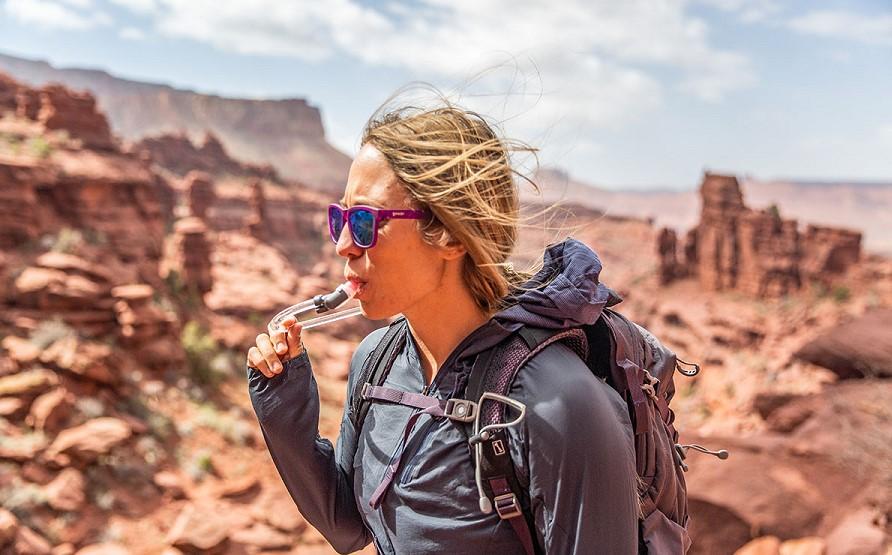
Insulated jacket and layer
For hiking, you can opt for a lightweight, breathable insulated jacket or a layer that provides warmth without causing overheating.
Look for jackets made of synthetic materials such as PrimaLoft or down feathers that are treated to resist moisture.
Pair the jacket with a moisture-wicking base layer and a hat or beanie to protect your head and neck from the sun and wind.
Good layers for summer hiking
For summer hiking, you typically want lightweight, breathable, and quick-drying clothing that can keep you cool and comfortable on the trail.
Here are some recommended layers for hiking:
- Base Layer: A moisture-absorbing synthetic or merino wool t-shirt to keep sweat away from your skin.
- Mid Layer: A lightweight fleece or insulated jacket for added warmth during cool mornings and evenings.
- Outer Layer: A waterproof and windproof shell jacket to protect against unexpected weather changes.
- Headwear: A wide-brimmed hat or a baseball cap to protect your face and head from the sun.
- Footwear: Breathable and lightweight shoes or trail-running shoes with good support and grip.
- Accessories: Sunglasses, sunblock, and a hydration system to keep you hydrated on the trail.
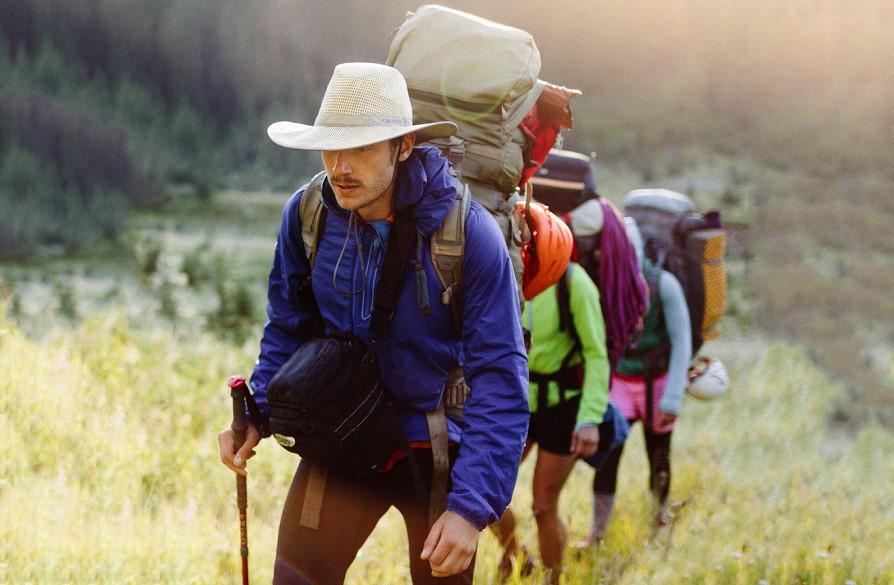
Hiking pants or leggings
For hiking, pants are generally a better choice than leggings. Hiking pants are typically made of durable and breathable materials and are designed to protect the legs from brushes, rocks, and other potential hazards encountered on the trail.
They often have features such as reinforced knees and waistbands, multiple pockets, and zippers for ventilation.
Leggings, on the other hand, are more suited to casual, light-duty activities, and may not provide adequate protection or support during more demanding hikes.
However, they can be a good choice for milder weather conditions or as a layering piece for underpants in colder weather.
Wear hiking shirts and wear sunblock on exposed skin
Hiking shirts are shirts specifically designed for outdoor activities such as hiking, camping, and trekking. They typically feature quick-drying materials, breathable fabrics, and UV protection.
The shirts may also have features such as pockets, ventilation, and a sun protection collar. The main goal of a hiking shirt is to provide comfort and protection for the wearer during outdoor activities.
Regarding sunblock, it is recommended to wear sunblock on exposed skin when hiking. This helps to protect your skin from harmful UV rays and reduce the risk of sunburn and skin damage.
It is important to choose a sunblock with a high SPF and reapply as needed, especially after sweating or swimming.

Rain jacket and rain pants
A rain jacket and rain pants for hiking are designed to keep the hiker dry and comfortable during wet weather conditions.
They are typically made from lightweight and durable materials, such as Gore-Tex, to provide protection from rain, wind, and snow.
Hiking-specific rain jackets and pants often feature extra ventilation and breathable materials, allowing the hiker to stay cool and dry even during intense activity.
The jackets may also have adjustable hoods, cuffs, and hemlines to provide a customizable fit and added protection from the elements.
Hiking pants frequently have reinforced knees and seats to provide extra durability and protection.
Both the rain jacket and pants are compact and easily packable, making them ideal for use during long hikes and backpacking trips.
Opt for wearing lightweight clothing
Yes, it is recommended to wear hiking lightweight clothing for hiking in hot weather, as it will help keep you cool and comfortable during hot weather.
Breathable, quick-drying fabrics such as cotton, polyester, and nylon are ideal choices.
Avoid heavy and thick materials that can trap heat and cause discomfort. Additionally, consider wearing light-colored clothing to reflect the sun’s rays and stay cool.
Running shoes or trail running shoes
The type of shoe you choose for hiking depends on the trail conditions you will encounter.
If you plan on hiking on well-maintained trails with a firm surface, then running shoes can be suitable. Running shoes are designed for smoother and even surfaces, with less focus on rugged terrain.
However, if you intend to hike on more technical or uneven trails with loose rocks, mud, and steep inclines, then off-road running shoes may be a better option.
Trail running shoes are designed for more demanding and unpredictable terrain, with features such as better traction and stability to keep you safe.
In general, it is always best to select a shoe that is appropriate for the type of trail you will be hiking on to ensure a safe and enjoyable experience.
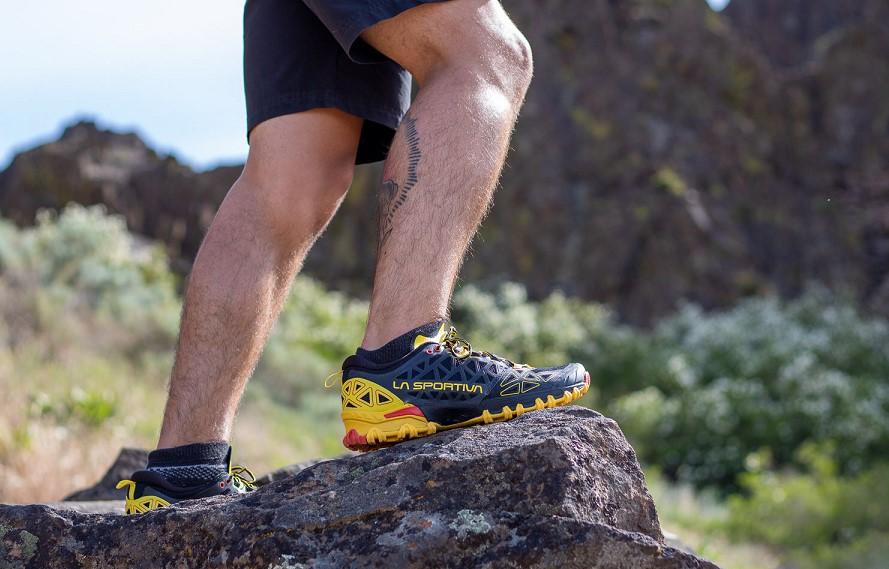
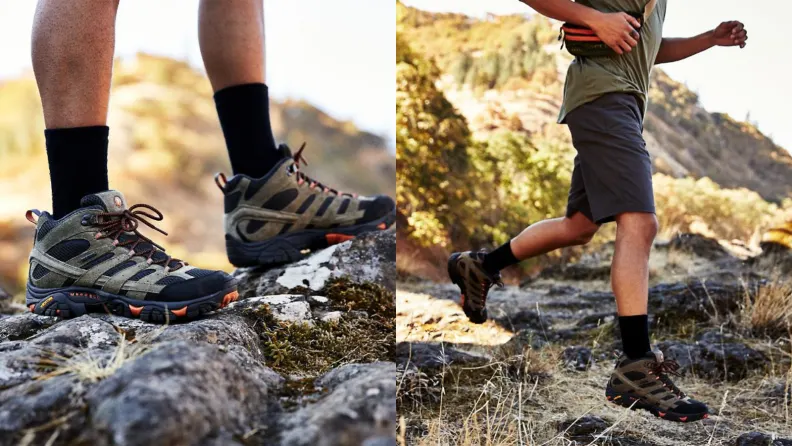
Hiking boots and socks
Hiking boots and socks are essential gear for anyone planning a hiking trip, regardless of the distance or terrain.
Hiking boots provide support, stability, and protection for your feet and ankles, while socks help keep your feet comfortable and prevent blisters.
When choosing boots, consider factors such as the type of trail you’ll be on, the weight of your pack, and any specific foot or ankle needs.
Look for boots that offer good support, traction, and protection, with features such as a sturdy sole, waterproofing, and a snug, comfortable fit.
Hiking socks are just as important as to wear hiking boots, as they can make or break a hike. Look for socks made from synthetic or wool materials that wick away moisture and provide cushioning in key areas.
Hiking socks designed for summer weather should be lightweight and breathable to keep your feet cool and dry during hot and humid hikes.
It is essential to wear wool socks that are typically made of materials such as synthetic blends or merino wool, which have moisture-absorbing properties and help to regulate temperature.
It’s also a good idea to look for socks with mesh panels or ventilation zones to increase breathability.
Consider wearing a thin liner sock with a thicker outer sock for added comfort and blister protection.

What to consider when it comes to what to wear hiking in summer?
When considering what to wear hiking, here are some important factors to consider:
- Lightweight and breathable fabric: Wear clothing made from quick-drying, lightweight materials such as cotton, polyester, or nylon to stay cool and comfortable.
- Sun protection: Wear lightweight, long-sleeved shirts and a hat to protect your skin from the sun’s harmful UV rays. Apply sunscreen as well.
- Comfort: Choose clothing that fits comfortably, without being too loose or too tight, to prevent chafing or discomfort during your hike.
- Footwear: Wear comfortable and supportive shoes or sneakers appropriate for the type of trail you will be hiking on, with proper traction to keep you safe.
- Layers: Take a lightweight windbreaker or rain jacket in case of sudden changes in weather.
- Hydration: Bring enough water and snacks to stay hydrated and nourished during your hike.
What summer hiking outfits to wear in the rain?
For hiking in the rain, it’s best to wear waterproof and breathable hiking clothing made from materials such as Gore-Tex or similar. Some recommended items include:
- Waterproof jacket or rain poncho
- Waterproof pants or rain pants
- Waterproof hiking boots or shoes with good traction
- Sun hat and gloves
- Quick-drying synthetic t-shirt and pants
- A lightweight and packable backpack cover
It’s also a good idea to wear layers, as you can easily remove clothes as you warm up, and add more as you cool down. This helps regulate your body temperature and stay comfortable while hiking in the rain.

FAQs:
What is the best outfit to wear when hiking?
When hiking, it’s best to wear hiking clothing that is comfortable, breathable, quick-drying, and provides adequate protection from the elements. This typically includes:
Lightweight and moisture-absorbing top, such as a synthetic or merino wool shirt.
Comfortable and durable pants, such as convertible pants, can be zipped off into shorts.
Hiking shoes or boots with good support and grip.
Socks are made from a breathable material to prevent blisters.
A hat to protect from the sun and a jacket to protect from wind and rain.
Additionally, it’s also important to wear sunblock, carry plenty of water, and bring along any necessary gear for the specific trail and weather conditions.
How hot is too hot for hiking?
The summer heat temperature at which hiking becomes too hot varies depending on various factors such as humidity, altitude, individual tolerance to heat, and level of physical exertion. As a general rule, temperatures above 90 °F (32 °C) can be uncomfortable for hiking and can increase the risk of heat exhaustion and dehydration.
Hiking during extreme summer heat can also be dangerous, so it’s essential to take appropriate precautions such as staying hydrated, wearing light-colored and breathable clothing, and starting early in the day or hiking during cooler times of the day. If possible, consider hiking in cooler or shadier areas or choosing a trail with access to water sources.
If the heat index, which accounts for temperature and humidity, is expected to be above 105 °F (40 °C), it’s generally advised to avoid strenuous outdoor activities and stay in air-conditioned environments.
Should I wear shorts or pants for hiking in hot weather?
For hiking in hot weather, it’s recommended to wear breathable and lightweight pants or shorts that provide protection from the sun and also allow for freedom of movement. Ultimately, the choice between pants and shorts will depend on personal preference and the conditions of the hike, including terrain and any potential hazards such as brush or rocks.
How should I dress for hiking in the woods in the summer?
When hiking in the woods during the summer, it’s important to dress in lightweight, breathable clothing that will wick away sweat and keep you cool. Aim for layers of quick-drying synthetic materials, such as polyester or nylon.
Also, consider the following:
Footwear: Wear comfortable, sturdy hiking shoes or boots with good support and grip.
Socks: Choose breathable, moisture-wicking socks to prevent blisters and keep your feet cool and dry.
Pants: Lightweight, quick-drying pants, such as nylon or polyester, are ideal for summer hikes.
Top: A lightweight, breathable shirt made of synthetic material will keep you cool and comfortable. Avoid cotton, as it can become heavy and uncomfortable when wet with sweat.
Headwear: A hat or bandana can protect your head and face from the sun.
Sun protection: Don’t forget to protect your skin from the sun with sunscreen, sunglasses, and long sleeves.
Remember to also pack enough water, snacks, and a first aid kit for your hike.
Wrap-up: what to wear hiking in summer weather
To summarize, when hiking in summer heat, it’s best to wear lightweight, breathable clothing made of synthetic materials such as polyester or nylon. This will help keep you cool and comfortable.
Additionally, consider wearing comfortable, sturdy hiking shoes or boots, breathable, moisture-wicking socks, lightweight, quick-drying pants, a lightweight, breathable shirt, hat, or bandana for sun protection, sunscreen, sunglasses, and long sleeves to protect your skin from the sun.
It’s also important to bring enough water, snacks, and a first aid kit with you on your hike.