
Every person who loves to relax in nature knows about the existence of ticks. These are very dangerous small parasites that can cause discomfort, as well as provoke health problems. For your safety, you should know how to prevent ticks while hiking. So, where can you find ticks, and how to avoid them?
- Tick danger
- The most common types of ticks
- Blacklegged tick
- Brown dog tick or American dog tick
- Star tick
- Features of Lyme disease
- Availability of a vaccine for Lyme disease
- How to avoid ticks while hiking: tick prevention
- Wearing light clothes to avoid ticks bites
- What to do after a walk to avoid ticks?
- Choosing a tick repellent for a campaign against ticks
- Murphy’s Naturals
- Spray Sawyer for 12 hours
- DEET Products
- Repelling ticks naturally
- Protecting your dog from ticks
- Checking for ticks
- Actions in case of a tick bite
- How to remove a tick?
- Prohibited actions ABOUT ticks
- Visit doctor
- Tick-infested areas
- Best time to hike
- FAQ
- How do you keep ticks off when hiking?
- Can you get ticks from walking on a trail?
- Results
Tick danger
Before proceeding to study the question of how to prevent tick bites while hiking, the danger of insects should be noted. To many, they seem carefree due to their small size. However, through bite humans or pets, ticks can carry various diseases. Yes, not all ticks are so dangerous. Just better to protect yourself from all kinds of.
A common species of deer tick is capable to transmit Lyme disease. Lyme disease affects the nervous system. Dog ticks are capable of carrying Rocky Mountain spotted fever.
Rocky Mountain spotted fever is one of the most dangerous diseases. Rocky Mountain spotted fever is accompanied by a rash on the body and pain, as well as an elevated body temperature – of up to 103 degrees Fahrenheit.
The most common types of ticks
As already mentioned, in nature there are a large number of ticks. However, only a few species are common in America. More about them will be discussed below.

Blacklegged tick
It is also called the deer tick. As already mentioned, a blacklegged tick can carry Lyme disease. If you notice the bite of the western blacklegged tick, you need to immediately consult a doctor to diagnose Lyme disease. Distinctive characteristics of this species are:
- found in forest areas;
- become active in early spring or late autumn;
- do not have marks on the body;
- differ in tiny sizes.
Brown dog tick or American dog tick
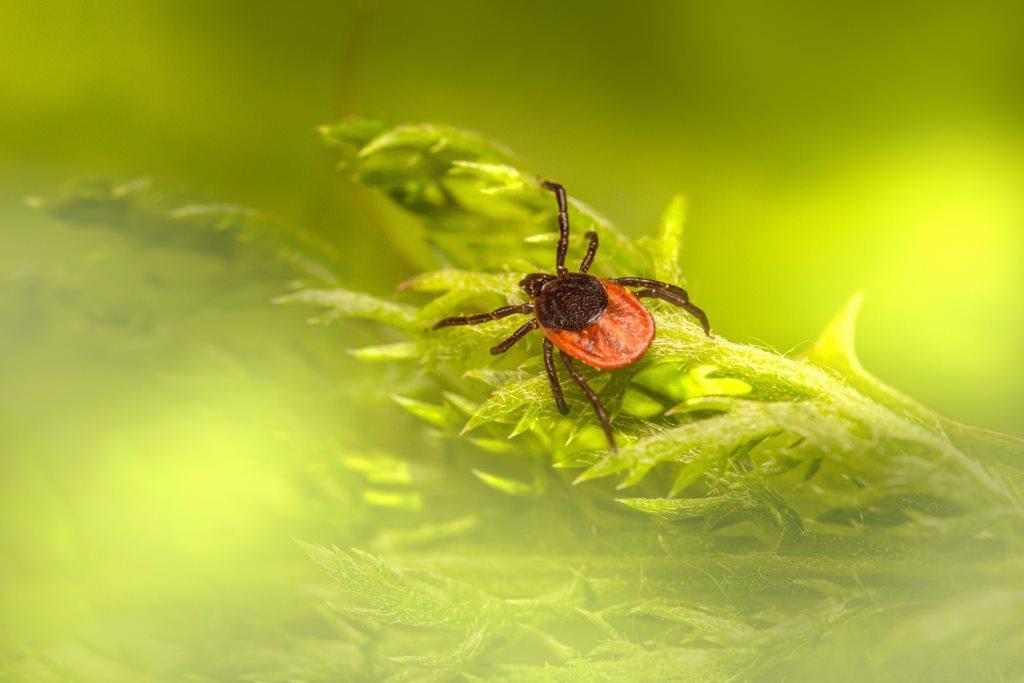
It is also a very common type. Preferably found in tall grass. Brown dog tick becomes active in spring and summer. American dog tick has a scarlet brown tint. White or silver markings may be present. The size of an American dog tick does not exceed the size of an apple seed.
Star tick
It is also often referred to as a lone star tick. Lone star tick can be carried by birds, so it is found in almost all states. Lone star tick bites in summer and spring. The dimensions are identical to an apple seed. Prefers to live in tall grass or trees.
There is a light spot resembling a star on the back. In males, the entire back is covered with spots.
Features of Lyme disease

Lyme disease is a bacterial disease carried by deer ticks. According to statistics, about 400,000 cases of Lyme disease are recorded every year. Treatment should include antibiotics. For safety reasons, it’s best to avoid ticks while hiking.
Initially, people notice a rash on the body. However, it may not appear in all, but only in 50% of patients.
There are also a few other symptoms that are more like the flu or a cold, such as:
- high body temperature;
- the trace of a tick bite;
- headache, and pain in the neck, jaw, joints, and bones;
- redness of the cheeks and earlobes;
- swelling of the joints.
Some dogs’ symptoms are similar to human ones. However, the dog does not tell you how it is feeling.
You can suspect tick-borne diseases by the following symptoms:

- increased body temperature and loss of appetite;
- lack of energy;
- lameness of various types;
- pain and discomfort;
- swelling of the joints.
It’s not uncommon for dogs to initially feel fine and you won’t notice any symptoms. However, the very next day, the condition will worsen, so the animal cannot stand up. Regardless of the symptoms, you need to urgently take the dog to the veterinarian if you notice a behavior change.
In some animals, Lyme disease can resemble signs of aging. The dog begins to slow down during walks, and drowsiness is observed. Urination may become more frequent. This is because the kidneys may fail due to the disease.
Availability of a vaccine for Lyme disease
There is no human vaccine for Lyme disease control. Therefore, you have to carefully monitor yourself so that you do not encounter ticks during your walk. Dogs can be vaccinated; however, it does not guarantee complete protection. It often causes side effects. Annual vaccination is required to be effective.
How to avoid ticks while hiking: tick prevention
There are some tips to help you avoid ticks while hiking. More about how to repel ticks may be read below.
Wearing light clothes to avoid ticks bites

When going out into nature, it is important to wear light-colored clothing and shoes. Your body should be completely covered from head to toe. In summer, opt for long sleeves in light colors. Remember that on light shades, you notice the tick faster. It looks like a black dot.
Shoes must be closed, combined with socks. Pants, choose elongated and fill them with a shirt. If you prefer to walk in shorts and T-shirts, then you have to examine yourself every half an hour. You can wear leg warmers to help protect your feet from tick bites.
You can stop at tourist clothes. It is specially treated with permethrin, which protects you from insects. In this case, the drug is stored on fabrics for up to 70 washes.
What to do after a walk to avoid ticks?
As soon as you get home, put your clothes in the dryer and set the temperature to high. You have to wait about an hour. This will kill the infected ticks if any. After that, you can start washing.
Drying is significant. Common ticks prefer to breed in humid environments. Therefore, they will die in the dryer.
Choosing a tick repellent for a campaign against ticks

It is important to stock up on special means against adult ticks. Insect repellents can be natural remedies or strong chemicals based on DEET (Diethyl-meta-toluamide). Choose products based on where you are hiking, for how long, and your clothing. Read more about the best means to repel ticks below.
Murphy’s Naturals
This is a very high-quality natural-based remedy that helps protect against adult ticks and mosquitoes. It is certified by B-Corp. According to reviews, this tool helps protect against common and infected tick bites. The production used 30% lemon eucalyptus oil.
Spray Sawyer for 12 hours
The spray is allowed to apply to clothes. It is not recommended to apply it on the skin. The spray has a slight scent. The concentration of picaridin is 20%. This is the best solution if you plan to make a long trip. It is also sold as a lotion; however, the spray is more convenient to apply.

You need to apply the spray in calm weather. On average, it stays on clothes for up to 6 washes. Wear clothes only after the product has dried.
DEET Products
Such products are very appropriate if you plan to make round-the-clock trips, with gatherings around the fire. Only you must make sure that there is an opportunity to wash and renew the product. It is not recommended to apply such products to the skin.
After all, it leaves an unpleasant odor on the surface. The tool can damage plastic and synthetics. Just imagine what effect it has on the skin.
Repelling ticks naturally
It is not necessary to stock up on chemicals. You can use natural and safe methods. You can use oregano or spearmint oil. It comes with mites no worse than products with a DEET base. You can also use clove bud oil and creeping thyme.
According to experiments, it helps to repel about 83% of ticks. If you decide to focus on natural methods of prevention, you should not forget about the need to wear closed clothing.
Protecting your dog from ticks
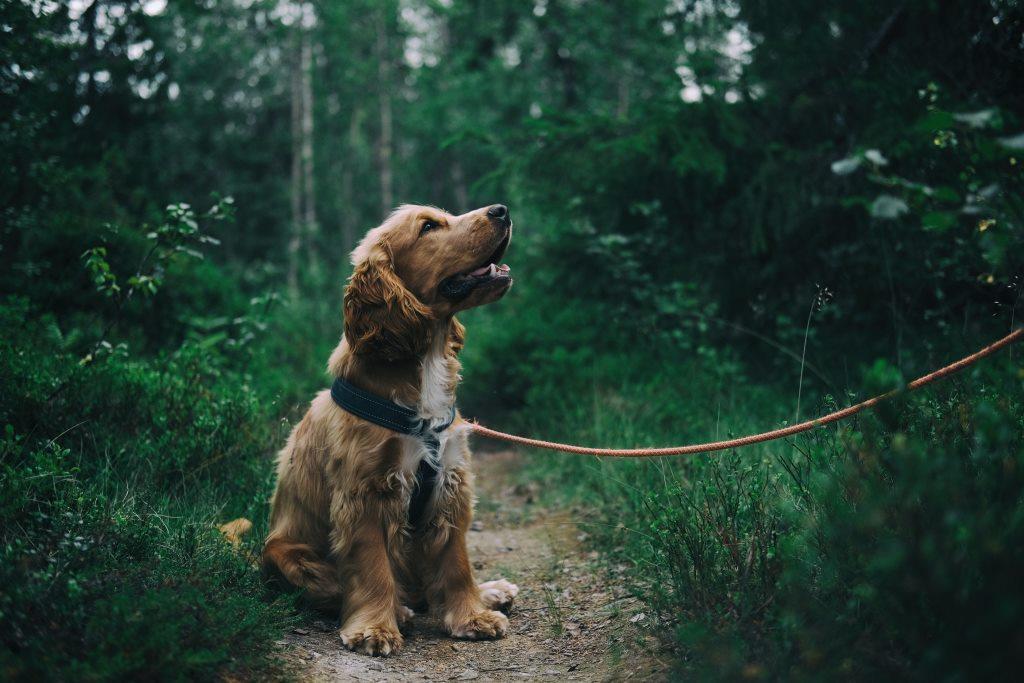
Quite often, people take dogs with them on a hike. And ticks are dangerous not only for humans but also for animals. Very frequently, ticks cling to the dog’s fur and begin to look for the softest place on its body to bite. If you want to protect your dog from ticks, you have to carefully select the means.
Remember the ban on the use of insect repellent that is relevant to people. They are not suitable for dogs. Products intended for humans can be toxic to animals and cause death. Some types of products based on essential oils differ in a similar action.
You can use oral prophylaxis agents. The drug “Bravecto” has proven itself well. It contributes to the destruction of ticks that bite the dog within 90 days. However, it does not exclude the possibility that the insect does not gain a foothold in the wool.
Try to make sure that your dog does not go to places where there is tall grass. There are more chances to pick up ticks. Let the animal walk in the center of the path. Brush your dog regularly to remove ticks that are already entrenched. On dogs, given their coat, it is difficult to detect insects.
However, you should still check regularly. Especially if the dog was on the street or in the forest. You need to find small dots on the skin or coat. Pay special attention to the area behind the ears, under the collar, and the tail. Examine the areas between the fingers, groin, and front paws.
Checking for ticks

If large and adult mites are visible, then small insects can hide well. Especially if their size is no more than a poppy seed. As soon as you return from a hike, check your clothes and equipment. Ticks can resemble minor contamination, so everything should be checked carefully.
Next, proceed to examine the body. They can be anywhere. However, there are several areas where insects are most often found. These can be armpits, groin, intimate places, knees, chest, and trouser belt area.
Gently run your hands through your hair, inspecting every area of the scalp and neck. Once the visual inspection is completed, you can start taking a hot shower. This helps flush out any mites that may have been left loose. Additionally, you can relax after the hike.
Actions in case of a tick bite
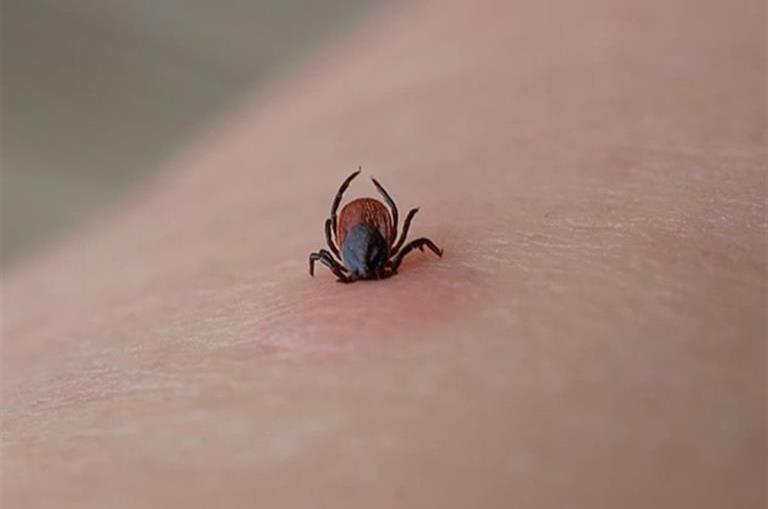
If you notice that there is a tick bite on the skin, you need to deal with its removal. To do this, you can use ordinary tweezers or a tool that is designed to remove ticks. You need to work carefully, without rushing. It is important to capture the entire tick.
If your actions are quick, some mites may remain inside the skin. It is recommended to wash the bite site with an acetic solution, to which alcohol and soap are added. If possible, take a photo of the tick. If you feel unwell and have to see a doctor, you can identify the type of tick.
How to remove a tick?
As already mentioned, it is extremely significant to properly remove the tick. You need to take the tweezers and lean them as close to the skin as possible to capture the tick. Take it out carefully. Make sure that it does not burst, otherwise, the poison may seep into the skin. Place the insect in a small container with an airtight lid or bag.
Clean up the bite. You can take the tick species to your local health department to have it identified. If the remnants of the mite remain in the skin, you can remove them. If this is not possible, leave the bite alone so that it heals.
Prohibited actions ABOUT ticks
It is important to remember that there are several prohibited actions against ticks. They cannot be pressed with fingers. Removing with fire or nail polish also does not bring the desired result. Do not use Vaseline or expect the tick to fall off on its own.
Visit doctor

If you have been bitten by a tick, and you cannot determine its type, you should immediately consult a doctor. It is better to do this even if the bite is minor. It is better to be safe than to face unpleasant consequences. The sooner a doctor diagnoses a dangerous tick-borne illness, the more likely it is to undergo successful treatment and recover.
When you go to the doctor, it is essential to tell him or her significant information regarding the approximate stay of the deer tick in your body, as well as the alleged place where the bite occurred. If you have a whole tick left after you pull it out, you can take it to your doctor. If Lyme disease has been diagnosed, treatment is not long-term.
If the diagnosis was made early, then the treatment takes 2-4 weeks. The doctor needs to prescribe antibiotics. You can also see a doctor if you start to feel unwell. It is better to follow the bite site. If a rash appears, you need to take a photo and send it to the doctor.
However, personal reception is better. This allows you to accurately determine the complexity of the situation. After a personal examination, the doctor is easier to prescribe treatment. You may have to take additional blood tests to confirm or deny the presence of the disease.
Tick-infested areas
Most ticks are found in tall grass. Try to avoid ticks while hiking, especially if the weather is warm. Remember that ticks do not tend to fly or jump. If you walk on tall grass, then insects can cling.
Try to walk in the center of the path, where there are no thickets. If you catch your backpack on grass or a tree, then ticks can crawl onto it. Therefore, the equipment also needs to be inspected regularly. If you want to rest on a stone, then you must first make the tick check.
Best time to hike

Most of the ticks are active in spring and summer. However, it is possible to meet insects at any time of the year. If the days are warm in winter, the ticks are active. For them, the optimum temperature is above zero.
If you want to avoid ticks while hiking, try hiking on freezing winter days. However, not everyone appreciates this prospect. If you prefer to walk in warm weather, then use the prevention tips that have already been described.
If you are going for a hiking, it could be useful for you: Delicious and nutritious: the best day hiking lunch ideas
FAQ
In the event of an encounter with ticks, people often ask the same types of questions. The answers to them will be presented below.
How do you keep ticks off when hiking?
Try to avoid places where ticks live. Use special insect repellent. If you have direct contact with ticks, use a special tick-repellent spray.
Wear covered clothing, so there is no exposed skin. Remember that after the trip, you need to fully examine yourself for a tick bite.
Can you get ticks from walking on a trail?
Considering that ticks prefer to live in thickets and tall grass, walking along the path, you have little chance of encountering insects. If you move away from the center of the trail and get closer to the grass, the chances of getting bitten increase
Results
As you can see, preventing tick bites is quite simple. It is enough to wear closed clothes and make fabric insect repellent treatment. During each rest, you should inspect yourself and your equipment for the presence of insects. This prevents unpleasant consequences in the form of dangerous diseases such as Lyme disease and others.