
Looking for Recommendations for best National Parks Hiking in March? Planning a trip to the US national parks for spring break but don’t know which ones to visit?
In this article, I’ll share some of the best national parks to visit in March 2024.
March is a great time to visit national parks in the United States. The weather is starting to warm up, but the crowds of summer have not yet arrived. Whether you’re looking for stunning landscapes, unique wildlife, or outdoor adventures, there’s a national park that’s perfect for you.
When visiting national parks in March, it’s important to pack essentials such as layered clothing, sunscreen, insect repellent, and sturdy footwear. Additionally, always prioritize safety during outdoor activities by staying on designated trails, following park regulations, and being aware of wildlife.
- Benefits of Visiting National Parks in March
- Criteria for Selecting the Best National Parks to Visit in March
- The following criteria were used
- What National Park Should I Visit in March?
- 1. Arches National Park
- Location: Utah
- What is Arches like in March?
- Top Things To Do in Arches National Park in March
- 2. Canyonlands National Park
- Location: Utah
- What is Canyonlands like in March?
- Top Things To Do in Canyonlands National Park in March
- 3. Zion National Park
- Location: Utah
- What is Zion like in March?
- 4. Capitol Reef National Park
- Location: Utah
- What is Capitol Reef like in March?
- 5. Big Bend National Park
- Location: Texas
- What is Big Bend like in March?
- Top Things To Do in Big Bend National Park in March
- 6. Grand Canyon National Park
- Location: Arizona
- What is the Grand Canyon like in March?
- Top Things To Do in Grand Canyon National Park in March
- 7. Saguaro National Park
- Location: Arizona
- What is Saguaro like in March?
- Top Things To Do in Saguaro National Park in March
- 8. Glacier National Park
- Location: Montana
- What is Glacier like in March?
- Top Things To Do in Glacier National Park in March
- 9. Biscayne National Park
- Location: Florida
- What is Biscayne like in March?
- Top Things To Do in Biscayne National Park in March
- 10. Everglades National Park
- Location: Florida
- What is Everglades like in March?
- Top Things To Do in Everglades National Park in March
- 11. Dry Tortugas National Park
- Location: Florida, Gulf of Mexico
- What is Dry Tortugas like in March?
- Top Things To Do in Dry Tortugas National Park in March
- 12. Shenandoah National Park
- Location: Virginia
- What is Shenandoah like in March?
- Top Things To Do in Shenandoah National Park in March
- 13. White Sands National Park
- Location: New Mexico
- What is White Sands like in March?
- Top Things To Do in White Sands National Park in March
- 14. Joshua Tree National Park
- Location: California
- What is Joshua Tree like in March?
- Top Things To Do in Joshua Tree National Park in March
- 15. Death Valley National Park in March
- Location: California
- What is Death Valley like in March?
- Top Things To Do in Death Valley in March
- More National Parks Worth Considering to Visit in March
- Conclusion
- FAQ
- What are the best national parks to visit in March?
- When is the least busy time to visit national parks?
- What are the reasons to visit a national park in March?
- Which national park can be visited throughout the year in the United States?
Benefits of Visiting National Parks in March
When it comes to planning your outdoor adventures for spring break, there’s no better time to visit national parks than in March. Let’s explore the benefits that await you in the national parks.
- Springtime Renewal in Nature: March is a magical time when nature awakens from its winter slumber. National parks transform into vibrant landscapes as trees begin to bud and flowers bloom. The lush greenery and colorful blooms create a picturesque backdrop for your outdoor explorations.
- Weather Conditions: March offers pleasant weather conditions for exploring national parks. With moderate temperatures, you can enjoy comfortable hikes and outdoor activities without extreme heat or cold. Additionally, March sees fewer crowds compared to the busier summer months, allowing you to fully appreciate the serenity and tranquility of the parks.
Criteria for Selecting the Best National Parks to Visit in March
The best national parks to visit are carefully selected based on their suitability for March conditions, availability of hiking trails, and family-friendly activities.

The following criteria were used
| Weather conditions: Parks with moderate temperatures and minimal precipitation during March were prioritized. |
| Hiking trails Suitable for March Conditions: Parks with a variety of well-maintained hiking trails that remain accessible and enjoyable despite the conditions in March were chosen. |
| Flora and fauna: Parks that showcase the beauty of springtime renewal in nature, with vibrant wildflowers and the possibility of spotting wildlife, were given preference. |
| Family-friendly activities: Parks that offer a range of activities suitable for families, such as guided nature walks, interactive exhibits, educational programs, junior ranger programs, and picnic areas, were highlighted. |
| March road trip potential: Parks located within proximity to each other, allowing you to explore multiple parks and diverse landscapes on a single trip. |
What National Park Should I Visit in March?
Now, let’s explore the top 15 Best National Parks to Visit in March.
Several of these National Parks are located close to each other and can be easily visited in one trip. Keep in mind that some parks may require reservations in advance, so be sure to plan your visit accordingly.
1. Arches National Park
Location: Utah
Arches National Park is renowned for its over 2,000 natural sandstone arches and rock formations, making it a paradise for photographers and outdoor adventurers. Arches National Park is without a doubt one of the best places to visit in Utah.

What is Arches like in March?
- Moderate Temperatures: 31-57°F (0-14°C). However, it’s essential to be prepared for fluctuating weather conditions, including occasional rain showers and cooler evenings. Layers are advisable to accommodate temperature changes throughout the day.
- Less Crowded. Trails and viewpoints are generally less crowded, providing with more opportunities to appreciate the park’s natural beauty without feeling rushed.
- Natural Beauty: March is an excellent time to explore Arches’ unique rock formations, including its iconic arches, spires, and balanced rocks. The landscapes are adorned with early spring blooms.
- Outdoor Activities: March is ideal for hiking and exploring the numerous trails within the park. While some trails may still have patches of snow or mud, most are accessible and offer a variety of difficulty levels to accommodate different skill levels and preferences.
Top Things To Do in Arches National Park in March
| Hiking: March provides favorable temperatures for hiking. Best Trails in Arches National Park: Windows Loop Trail, Delicate Arch Trail, Devil’s Garden Trail and Double Arch Trail. | |
| Arches Scenic Drive: Take a scenic drive along the park’s main road, which offers stunning viewpoints and access to many of Arches’ famous landmarks. | |
| Photography: March offers excellent lighting conditions for photography enthusiasts. | |
| Wildlife Viewing: Keep an eye out for wildlife while exploring Arches National Park. March offers opportunities to spot desert-adapted animals such as mule deer, desert cottontails, rock squirrels, and a variety of bird species. | |
| Junior Ranger Program: If traveling with children, consider participating in the Junior Ranger Program. Kids can pick up activity booklets at the visitor center and complete fun and educational activities to earn Junior Ranger badges. | |
| Stargazing: After dark, experience the awe-inspiring night sky of Arches National Park. Away from light pollution, the park offers excellent opportunities for stargazing and observing celestial phenomena. Bring a telescope or simply lay back and marvel at the stars. | |
| Picnicking: Pack a picnic lunch and enjoy a scenic outdoor meal. Several picnic areas are available throughout the park, offering tables, grills, and restroom facilities. | |
| Camping: Consider camping at one of the campgrounds within or near Arches National Park for a more immersive experience in nature. March offers pleasant camping conditions, but be sure to make reservations in advance as campsites can fill up quickly during peak seasons. |
2. Canyonlands National Park
Location: Utah
Canyonlands National Park covers over 337,000 acres of rugged desert landscape, carved by the Colorado River and its tributaries. The park is divided into four distinct districts: Island in the Sky, The Needles, The Maze, and the rivers themselves. Each district offers unique opportunities for outdoor activities such as hiking, mountain biking, backpacking, and whitewater rafting.
The park is also home to a wide variety of wildlife, including desert bighorn sheep, mule deer, and golden eagles.

What is Canyonlands like in March?
- Moderate Chilly Temperatures: 32-58°F (0-14°C). March offers comfortable temperatures for exploring Canyonlands’ diverse landscapes.
- Spectacular Canyons: Canyonlands National Park features rugged canyons, towering mesas, and dramatic rock formations carved by the forces of the Colorado River and its tributaries.
- Backcountry Exploration: March provides excellent conditions for backcountry hiking, camping, and backpacking in Canyonlands.
Top Things To Do in Canyonlands National Park in March
| Hiking: From short walks to multi-day backpacking adventures, Canyonlands offers a variety of hiking experiences. Best Trails in Canyonlands National Park: Mesa Arch Trail, Grand View Point Trail, and Chesler Park Loop Trail. | |
| Scenic Drives: Take a scenic drive along the park’s paved and unpaved roads to access breathtaking viewpoints and overlooks. The Island in the Sky district offers spectacular vistas of canyons, mesas, and the Colorado River. Drive along the White Rim Road or the Shafer Trail for more remote and adventurous routes. | |
| Photography: March provides optimal lighting conditions, especially during sunrise and sunset. | |
| Backpacking: Obtain backcountry permits and plan your route to experience the solitude and serenity of the park’s wilderness. Backpacking routes include the Syncline Loop, the Maze, and the Needles districts. | |
| Mountain Biking: The park offers challenging singletrack trails, slickrock routes, and scenic rides through its diverse landscapes. Mountain bikers can explore the White Rim Trail, the Shafer Trail, and the Amasa Back Trail. | |
| Stargazing: Away from city lights, the park offers excellent opportunities for stargazing and observing celestial phenomena. | |
| Rafting and River Trips: Explore the Colorado and Green Rivers by joining a guided rafting or river trip. Experience the thrill of navigating through whitewater rapids, floating past towering canyon walls, and camping along the riverbanks. | |
| Wildlife Viewing: March offers opportunities to spot desert bighorn sheep, mule deer, coyotes, and a variety of bird species. |
3. Zion National Park
Location: Utah
Zion National Park is one of my top recommended national parks to visit in March for those looking for hiking, family-friendly activities, and more! March provides ideal weather for exploring the park’s famous trails, including Angels Landing and The Narrows, before the summer heat sets in.

What is Zion like in March?
- Pleasant Weather: March brings mild temperatures and clear skies to Zion, creating ideal conditions for outdoor exploration and adventure.
- Spring Blooms: As spring begins to take hold, Zion bursts into vibrant displays of wildflowers, adding splashes of color to its already stunning landscapes.
Top Things To Do in Zion National Park in March
| Scenic Hikes: March offers pleasant temperatures for hiking, making it an ideal time to tackle iconic trails such as the famous Angel’s Landing, The Narrows, and Observation Point. | |
| Scenic Drives: Take a scenic drive along Zion Canyon Scenic Drive and witness the park’s breathtaking landscapes unfold before you. Stop at designated viewpoints like Canyon Overlook and Weeping Rock to admire panoramic views of the canyon walls and Virgin River. | |
| Photography: March provides favorable lighting conditions, especially during sunrise and sunset, for capturing dramatic images of the park’s towering sandstone cliffs, cascading waterfalls, and vibrant spring blooms. | |
| Canyoneering: Join guided canyoneering tours or obtain the necessary permits and experience the park’s unique landscapes firsthand, explore Zion’s slot canyons, rappelling down narrow gorges and navigating through sculpted sandstone formations. | |
| Wildlife Viewing: March offers opportunities to spot mule deer, bighorn sheep, golden eagles, and a variety of bird species. Binoculars and a field guide can enhance your wildlife viewing experience. | |
| Ranger-Led Programs: Participate in ranger-led programs, guided walks, and interpretive talks offered by the park. Learn about Zion’s geology, ecology, and cultural history while exploring its diverse landscapes and natural wonders. | |
| Spring Wildflowers: Witness the emergence of spring wildflowers throughout Zion National Park’s lower elevations in March. Enjoy the colorful displays of desert blooms, including Indian paintbrush, desert marigold, and globemallow, as they carpet the canyon floors and rocky slopes. | |
| Rock Climbing: Test your skills on Zion’s world-class rock climbing routes, which offer challenging climbs and stunning views of the park’s towering cliffs and rock formations. Join guided climbing tours or tackle classic routes such as Moonlight Buttress and Prodigal Son. | |
| Backpacking and Camping: Obtain backcountry permits and explore remote trails such as West Rim Trail and East Rim Trail, or enjoy camping at designated campgrounds within the park. |
4. Capitol Reef National Park
Location: Utah
Capitol Reef National Park is another hidden gem worth visiting in March. With its rugged cliffs, colorful canyons, and stunning rock formations, this park is a paradise for outdoor enthusiasts.

What is Capitol Reef like in March?
- Pleasant Weather: 58-80°F (15-27°C). March offers mild temperatures and clear skies for exploring Capitol Reef’s rugged terrain and scenic drives, such as the scenic drive through Capitol Gorge and the Waterpocket Fold.
- Geological Wonders: Capitol Reef National Park showcases stunning geological formations, including towering cliffs, colorful rock layers, and natural bridges, shaped by millions of years of erosion and uplift.
Top Things To Do in Capitol Reef National Park in March
| Scenic Drives: Explore breathtaking views of Capitol Reef’s towering cliffs, deep canyons, and sandstone domes. Drive along the paved Scenic Drive or venture off-road on the scenic Burr Trail for panoramic vistas of the park’s rugged terrain. |
| Hiking: March offers mild temperatures for hiking, making it an ideal time to tackle trails such as Hickman Bridge, Grand Wash, and Capitol Gorge. Hike to overlooks such as Panorama Point, Sunset Point, and Goosenecks Overlook. |
| Fruit Orchards: March marks the beginning of fruit tree blossoms, adding beauty to the orchards’ scenic landscapes. Visit the historic Fruita district and explore the park’s historic fruit orchards. |
| Camping: Spend a night under the stars at one of Capitol Reef’s scenic campgrounds. Enjoy camping in designated campgrounds such as Fruita Campground or Cathedral Valley Campground. |
| Stargazing: Experience the dark skies of Capitol Reef National Park and marvel at the wonders of the night sky. |
| Geology Tours: Learn about Capitol Reef’s fascinating geology and ancient rock formations on a guided geology tour. Join ranger-led programs or participate in guided tours offered by local outfitters. |
| Backpacking: Obtain backcountry permits and explore scenic trails such as the Cohab Canyon Trail, Muley Twist Canyon, and the Halls Creek Narrows for a rugged wilderness experience. |
| Photography: March offers optimal lighting conditions and clear skies for capturing stunning images of the park’s colorful rock formations, scenic vistas, and unique geological features. |
5. Big Bend National Park
Location: Texas

With its expansive desert landscapes, rugged mountains, and the winding Rio Grande, Big Bend National Park offers a diverse and unique experience. March brings comfortable weather for exploring the park’s diverse trails, taking scenic drives, and stargazing at one of the darkest night skies in the country.
What is Big Bend like in March?
- Pleasantly Warm Temperatures: 48-80°F (9-27°C). March brings comfortable temperatures to Big Bend National Park, making it an ideal time for outdoor activities such as hiking, camping, and stargazing.
- Diverse Ecosystems: Big Bend boasts a diverse range of ecosystems, including desert landscapes, canyons, and the lush banks of the Rio Grande, offering visitors rich opportunities for exploration and discovery.
Top Things To Do in Big Bend National Park in March
| Hiking: From easy nature walks to challenging backcountry treks, Big Bend offers a variety of hiking experiences. Best Trails in Big Bend National Park: the Window Trail, Lost Mine Trail, and Santa Elena Canyon Trail. |
| Scenic Drives: The Ross Maxwell Scenic Drive and the Chisos Basin Road offer spectacular views of the Chisos Mountains, desert landscapes, and the Rio Grande. |
| River Activities: Enjoy recreational activities along the Rio Grande, which forms the park’s southern boundary. March provides excellent conditions for activities such as canoeing, kayaking, and rafting. |
| Wildlife Viewing: Big Bend is home to a diverse array of wildlife, including desert bighorn sheep, javelinas, roadrunners, and a variety of bird species. |
| Birdwatching: March is an excellent time for birdwatching in Big Bend National Park as migratory birds return to the area. Birdwatchers can spot a wide variety of species, including colorful songbirds, raptors, and waterfowl. Visit birding hotspots such as Rio Grande Village, Sam Nail Ranch, and the Chisos Basin. |
| Photography: Capture the park’s dramatic landscapes, rugged canyons, and unique rock formations through photography. |
| Stargazing: Experience the dark skies of Big Bend National Park, which are among the darkest in the United States. March offers ideal conditions for stargazing and astrophotography. Join ranger-led astronomy programs or simply marvel at the Milky Way and constellations from designated stargazing areas. |
| Camping: March offers comfortable camping conditions with mild temperatures and clear skies. Reserve campsites in advance, especially during peak seasons. |
| Ranger Programs: Participate in ranger-led programs and guided hikes offered by the park. Learn about the park’s geology, history, and natural resources from knowledgeable park rangers. |
| Relaxation and Reflection: Take time to relax and immerse yourself in the tranquility of Big Bend’s remote wilderness. Sit by the Rio Grande, listen to the sounds of nature, and reflect on the beauty and solitude of the desert landscape. |
6. Grand Canyon National Park
Location: Arizona
The majestic beauty of the Grand Canyon is unparalleled, and March provides an ideal time to visit due to milder temperatures without the summer crowds. Explore the South Rim, hike along the Rim trails, or venture down into the canyon itself for a scenic adventure.

What is the Grand Canyon like in March?
- Mild Temperatures: In March, the Grand Canyon experiences mild temperatures, making it comfortable for outdoor activities such as hiking and sightseeing without the intense heat of summer.
- Reduced Crowds: March marks the transition between the busy winter season and the upcoming summer rush, resulting in fewer visitors compared to peak tourist months.
- Hiking opportunities: With the moderate weather conditions, March presents excellent opportunities for hiking in the Grand Canyon.
Top Things To Do in Grand Canyon National Park in March
| Hiking: Trails like the South Kaibab Trail, Bright Angel Trail, and Rim Trail offer diverse perspectives of the canyon’s landscapes and lead to breathtaking viewpoints. |
| Scenic Drives: Take in panoramic vistas along scenic drives such as Desert View Drive and Hermit Road. These routes offer numerous overlooks and viewpoints where you can marvel at the canyon’s vastness and ever-changing colors. |
| River Rafting: Experience the thrill of river rafting on the Colorado River, which flows through the heart of the Grand Canyon. Guided rafting trips offer opportunities to navigate through whitewater rapids, explore hidden side canyons, and camp along the riverbanks. |
| Mule Rides: Guided mule rides descend into the canyon, providing riders with unforgettable views and a sense of the canyon’s scale and grandeur. Reservations are recommended, as mule rides are popular and often fill up quickly. |
| Ranger Programs: Participate in ranger-led programs and guided walks to learn about the canyon’s geology, history, and wildlife. Evening programs often include stargazing opportunities and campfire talks. |
| Photography: March offers favorable lighting conditions, especially during sunrise and sunset, for capturing stunning vistas and intricate details of the canyon’s rock layers and formations. |
| Backpacking and Camping: March provides mild temperatures for overnight stays, and backcountry permits are required for overnight backpacking trips. |
| Sunrise and Sunset Viewing: Experience the magic of sunrise and sunset at iconic viewpoints such as Mather Point, Yaki Point, and Hopi Point. Witnessing the canyon’s colors change as the sun rises and sets is a truly unforgettable experience that highlights the canyon’s timeless beauty. |
7. Saguaro National Park
Location: Arizona
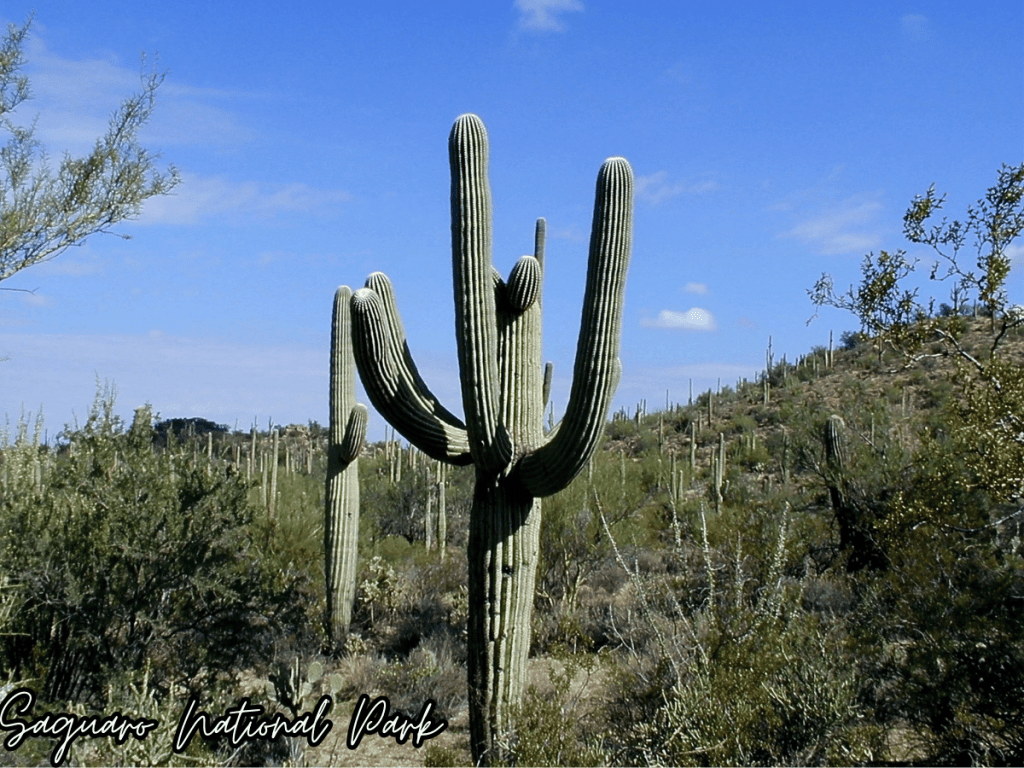
Saguaro National Park is located in the southern Arizona desert and is named after the giant saguaro cactus, which is native to the region and can grow up to 40 feet in height. The park is divided into two sections, with the Rincon Mountain District to the east and the Tucson Mountain District to the west.
March is the busiest month of the year here. The park is home to diverse wildlife, including desert tortoises, javelinas, and a variety of bird species. The park also offers stunning views of the surrounding desert landscape, with rugged mountain ranges and towering cacti.
What is Saguaro like in March?
- Mild Climate: 47-79°F (9-26°C). March offers mild temperatures for exploring Saguaro’s desert landscapes, with cool nights and warm days providing comfortable conditions for hiking and wildlife viewing. March is one of the last best months to visit Saguaro National Park before it gets too hot in Southern Arizona.
- Iconic Saguaro Cacti: Saguaro National Park is home to the iconic saguaro cactus, a towering symbol of the American Southwest that can reach heights up to 40 feet.
- Scenic Drives and Desert Exploration: Visitors can enjoy scenic drives through the park’s two districts, the Tucson Mountain District and the Rincon Mountain District, and explore desert trails lined with towering cacti and colorful wildflowers.
Top Things To Do in Saguaro National Park in March
| Hiking: Trails such as the Valley View Overlook Trail, Tanque Verde Ridge Trail, and Desert Ecology Trail provide opportunities to experience the park’s diverse ecosystems and wildlife. |
| Scenic Drives: Take a drive along the scenic roads to enjoy panoramic views of the Sonoran Desert and its towering saguaro cacti. The Cactus Forest Loop Drive and the Bajada Loop Drive offer excellent opportunities to observe the park’s iconic landscapes and unique plant life. |
| Photography: March provides optimal lighting conditions for capturing stunning images of saguaro cacti, desert wildflowers, and rugged mountain vistas. |
| Birdwatching: March is an ideal time for birdwatching as migratory birds return to the area. Bring binoculars and a field guide to spot a variety of bird species, including hummingbirds, Gila woodpeckers, cactus wrens, and various raptors. |
| Wildflower Viewing: Witness the vibrant display of desert wildflowers that bloom throughout Saguaro National Park in March. Look for colorful blooms such as poppies, lupines, brittlebush, and desert marigolds carpeting the desert floor and adding splashes of color to the landscape. |
| Stargazing: Experience the dark skies of the park and marvel at the beauty of the night sky. Join ranger-led astronomy programs or simply enjoy stargazing from designated viewpoints. |
| Picnicking and Relaxation: Pack a lunch and relax at one of the park’s picnic areas, surrounded by towering saguaro cacti, mesquite trees, and breathtaking desert vistas. |
| Junior Ranger Program: Children can complete activity booklets, attend ranger-led programs, and earn Junior Ranger badges while learning about the park’s natural and cultural heritage. |
| Cactus Garden Exploration: Explore the cactus garden at the visitor centers to see a variety of cacti species, including saguaros, barrel cacti, and prickly pears. |
8. Glacier National Park
Location: Montana
Glacier National Park offers breathtaking views of icy peaks, pristine lakes, and abundant wildlife. In March, while some areas of the park may be inaccessible due to snow, you can still enjoy the quieter atmosphere, go snowshoeing or cross-country skiing, and experience the park’s winter wonderland.

What is Glacier like in March?
- Temperatures: 17-31°F (-1/-8°C).
- Snow-Capped Peaks: In March, Glacier National Park’s majestic peaks are still covered in snow, creating a breathtaking backdrop for outdoor adventures.
- Winter Sports: March offers opportunities for winter sports enthusiasts to enjoy activities such as skiing, snowshoeing, and snowmobiling in the park’s snowy landscapes.
Top Things To Do in Glacier National Park in March
| Winter Sports: Enjoy cross-country skiing, snowshoeing, and snowboarding along designated trails and open areas. |
| Scenic Drives: Take a scenic drive along the park’s main roadways, such as the Going-to-the-Sun Road (weather permitting) and the Many Glacier Road. Be prepared for icy conditions and road closures, and check for updates on road status before embarking on your drive. |
| Photography: Capture the stunning winter landscapes and snow-covered scenery of Glacier National Park through photography. March offers unique lighting conditions and dramatic contrasts, making it an ideal time for capturing memorable photographs of the park’s natural beauty. |
| Wildlife Viewing: March provides excellent chances to spot wildlife in Glacier National Park, including bighorn sheep, mountain goats, elk, and elusive predators like wolves and lynx. |
| Snowshoeing Guided Tours: Join guided snowshoeing tours offered by the park or local outfitters. Guided tours provide educational and immersive experiences for visitors of all skill levels. |
| Winter Camping: Experience the solitude and serenity of Glacier National Park by camping in designated winter camping areas. Enjoy the tranquility of the snow-covered landscape and the beauty of starry nights in the park’s backcountry. Be prepared for cold temperatures and snowy conditions. |
| Ice Fishing: If conditions allow, try ice fishing on one of Glacier National Park’s frozen lakes or streams. Obtain the necessary permits and follow safety guidelines while enjoying this popular winter activity. |
| Relaxation and Reflection: Take time to relax and immerse yourself in the tranquility of Glacier National Park’s winter wilderness. Listen to the sounds of nature, breathe in the crisp mountain air, and reflect on the beauty and serenity of the snowy landscape. |
9. Biscayne National Park
Location: Florida
Biscayne National Park is known for its beautiful coral reefs, clear blue waters, and diverse marine life. The park comprises 95% water, making it the largest marine park in the National Park System. Biscayne National Park is a popular destination for snorkeling, diving, boating, and fishing. It also offers opportunities for birdwatching, hiking, and camping.
The best way to explore it is by boat, which makes it very unique from many of the other US national parks.

What is Biscayne like in March?
- Pleasantly Warm Temperatures: 71-76°F (22-25°C).
- Marine Exploration: Park offers visitors the chance to explore vibrant coral reefs, mangrove forests, and clear blue waters teeming with marine life.
Top Things To Do in Biscayne National Park in March
| Snorkeling: March offers excellent visibility and comfortable water temperatures for snorkelers to observe colorful coral formations, tropical fish, and other marine life. |
| Scuba Diving: March provides ideal conditions for snorkeling and diving. Discover underwater shipwrecks, coral gardens, and diverse marine habitats while diving in the park’s protected waters. Certified divers can explore various dive sites with experienced dive operators. |
| Glass-Bottom Boat Tours: Experience the beauty of Biscayne National Park’s underwater world without getting wet by taking a glass-bottom boat tour. These guided tours provide panoramic views of the coral reefs, seagrass beds, and marine life that inhabit the park’s clear waters. |
| Kayaking and Canoeing: March offers calm seas and mild temperatures for boating and kayaking adventures, allowing you to discover secluded coves, islands, and mangrove tunnels within the park. |
| Boat Tours and Cruises: Join a guided boat tour or eco-cruise to explore the diverse ecosystems and cultural heritage of Biscayne National Park. Learn about the park’s history, conservation efforts, and natural wonders while cruising through its scenic waters. |
| Birdwatching: March is a prime time for birdwatching in Biscayne National Park as migratory birds return to the area. Explore the park’s mangrove forests, coastal wetlands, and shoreline habitats to spot a variety of bird species, including herons, egrets, ospreys, and pelicans. |
| Fishing: Obtain the necessary fishing permits and follow park regulations to ensure responsible angling practices. |
| Picnicking and Beachcombing: Relax and unwind on one of the scenic beaches or picnic areas. Pack a picnic lunch and enjoy a meal surrounded by picturesque views of the bay, mangroves, and distant islands. |
| Photography: Capture the natural beauty and scenic landscapes through photography. March provides optimal lighting conditions and clear skies for capturing stunning images of the park’s coastal vistas, wildlife, and marine environments. |
10. Everglades National Park
Location: Florida
The Everglades can be visited year-round, but the dry season (winter and spring) is generally the best time to explore due to fewer mosquitoes and cooler temperatures. March is the beginning of the dry season, so you can explore the park’s hiking trails and paddle through the calm waters of the Everglades.

What is Everglades like in March?
- Comfortable Temperatures: 67-78°F (20-26°C). March brings cooler and more comfortable temperatures to the Everglades, making it an ideal time to explore the park’s unique wetlands and wildlife.
Top Things To Do in Everglades National Park in March
| Airboat Tours: Experience the thrill of an airboat tour through the park’s vast sawgrass prairies and mangrove forests. Join guided airboat tours offered by local outfitters to explore remote areas of the Everglades and observe wildlife such as alligators, wading birds, and turtles. |
| Wildlife Viewing: March offers excellent opportunities to spot alligators, manatees, dolphins, and a variety of bird species, including herons, egrets, and ibises. |
| Canoeing and Kayaking: Most Popular Everglades Experience. With water levels still high from the wet season, March provides excellent conditions for canoeing and kayaking adventures. Explore paddling trails such as Nine Mile Pond, Hell’s Bay, and the Turner River. |
| Anhinga Trail: Take a stroll along the Anhinga Trail, one of Everglades National Park’s most popular hiking trails. The trail offers excellent opportunities for birdwatching and wildlife viewing, with a chance to see alligators, turtles, herons, and other wildlife up close. |
| Shark Valley Tram Tours: Join a guided tram tour through Shark Valley, located in the northern section of Everglades National Park, and explore the freshwater marshes, sawgrass prairies, and tree islands. |
| Birdwatching: March is an excellent time for birdwatching in Everglades National Park as migratory birds return to the area. Visit birding hotspots such as Eco Pond, Pa-hay-okee Overlook, and Mahogany Hammock to spot a variety of bird species, including wood storks, roseate spoonbills, and ospreys. |
| Biking: Rent bikes from the park’s visitor centers or bring your own and ride along designated bike trails such as the Shark Valley Trail and the Loop Road. Enjoy the sights and sounds of the Everglades while biking through its diverse landscapes. |
| Fishing: March offers excellent fishing conditions for catching a variety of fish species, including largemouth bass, snook, redfish, and tarpon. Obtain the necessary fishing permits and follow park regulations while fishing. |
11. Dry Tortugas National Park
Location: Florida, Gulf of Mexico
Dry Tortugas National Park is one of the best National Parks to visit in March!

What is Dry Tortugas like in March?
- Pleasantly Warm Temperatures: 72-75°F (22-24°C).
- Remote Island Paradise: Dry Tortugas National Park is a remote island paradise located 70 miles west of Key West, accessible only by boat or seaplane.
- Pristine Coral Reefs: March offers excellent visibility for snorkeling and diving in Dry Tortugas’ crystal-clear waters, allowing visitors to explore vibrant coral reefs teeming with marine life.
- Historic Fort Jefferson: Visitors can explore the historic Fort Jefferson, a massive 19th-century coastal fortress located on Garden Key, and learn about its fascinating history as a Civil War-era military prison.
Top Things To Do in Dry Tortugas National Park in March
| Fort Jefferson Tour: Explore Fort Jefferson, a massive 19th-century coastal fortress located on Garden Key. Join guided tours or explore the fort on your own. |
| Snorkeling: Discover the vibrant marine life and coral reefs surrounding Dry Tortugas by snorkeling in the crystal-clear waters. |
| Birdwatching: Dry Tortugas is a haven for birdwatchers, especially during the spring migration. March offers opportunities to spot various bird species, including migratory birds making their way through the area. |
| Camping on Garden Key: If you’re up for a unique camping experience, consider camping at the primitive campground on Garden Key. Camping is limited, and reservations are required. |
| Kayaking: Paddle around the calm waters surrounding Garden Key and explore the shoreline by kayaking. Kayak rentals are available, providing a peaceful and intimate way to experience the park’s pristine environment. |
| Photography: Capture the beauty of Dry Tortugas’ landscapes, wildlife, and historic structures through photography. March provides optimal lighting conditions for capturing stunning images of the fort, the turquoise waters, and the diverse flora and fauna. |
| Star Gazing: Experience the dark skies of Dry Tortugas for excellent stargazing opportunities. Away from city lights, the night sky over the Gulf of Mexico offers a clear view of stars, planets, and celestial phenomena. |
| Fishing: Enjoy saltwater fishing in the rich waters surrounding Dry Tortugas. The park is known for excellent opportunities to catch a variety of fish species. Be sure to obtain the necessary fishing permits and follow regulations. |
| Boat Tours and Seaplane Flights: Consider taking a boat tour or seaplane flight to reach Dry Tortugas National Park. These excursions offer a scenic journey to the park, providing unique perspectives of the islands and the surrounding marine environment. |
12. Shenandoah National Park
Location: Virginia
Shenandoah National Park is renowned for its scenic drives along Skyline Drive, vibrant foliage in the fall, and picturesque hiking trails. In March, you can witness the park’s early spring blooms, enjoy hiking through the quiet forests, and admire breathtaking views of the Shenandoah Valley.

What is Shenandoah like in March?
- Temperatures: 32-54°F (0-12°C).
- Spring Wildflowers: March marks the beginning of wildflower season in Shenandoah, with blooming dogwoods, trilliums, and other native species adding splashes of color to the park’s woodlands and meadows.
- Hiking and Wildlife Viewing: Shenandoah offers a network of hiking trails ranging from easy walks to challenging treks, allowing visitors to explore its forests, waterfalls, and abundant wildlife, including black bears, deer, and songbirds.
Top Things To Do in Shenandoah National Park in March
| Hiking: March offers comfortable temperatures for hiking, and trails such as Old Rag, Hawksbill, and Dark Hollow Falls are popular options for visitors seeking scenic views and waterfalls. |
| Scenic Drives: Take a leisurely drive along Skyline Drive, a scenic 105-mile roadway that runs the length of Shenandoah National Park. Enjoy panoramic vistas of the Blue Ridge Mountains, lush forests, and Shenandoah Valley. Be sure to stop at overlooks such as Mary’s Rock, Stony Man, and Thornton Gap for breathtaking views. |
| Wildlife Viewing: March offers opportunities to spot white-tailed deer, black bears, wild turkeys, and a variety of bird species. |
| Waterfall Photography: Capture the beauty of Shenandoah’s waterfalls through photography. March is an excellent time to photograph waterfalls, as melting snow and spring rains increase water flow. Visit popular waterfall destinations such as Dark Hollow Falls, Rose River Falls, and South River Falls. |
| Backpacking and Camping: March provides mild temperatures for overnight stays, and backcountry campsites and designated campgrounds are available. Reserve campsites in advance, especially during weekends and holidays. |
| Birdwatching: March is an optimal time for birdwatching in Shenandoah National Park as migratory birds return to the area. Explore the park’s forests, meadows, and streams to spot a variety of bird species, including warblers, vireos, woodpeckers, and raptors. |
| Picnicking and Relaxation: Pack a picnic lunch and enjoy a meal surrounded by the natural beauty of Shenandoah National Park. Picnic areas are available throughout the park, offering scenic views, fresh mountain air, and opportunities for relaxation and reflection. |
| Stargazing: Experience the dark skies of Shenandoah National Park and marvel at the wonders of the night sky. Away from city lights, the park offers excellent opportunities for stargazing and observing celestial phenomena. |
13. White Sands National Park
Location: New Mexico
Despite being the busiest month of the year, White Sands National Park is a favorite destination and a great time to visit in March due to its stunning landscapes and unique features. You can explore the park’s hiking trails, go sledding down the soft dunes, and marvel at the park’s stunning sunsets.

What is White Sands like in March?
- Mildly Cool Temperatures: 41-71°F (5-22°C). March offers mild temperatures for exploring White Sands’ surreal landscapes, with cooler temperatures making outdoor activities more comfortable during the day.
- Dazzling White Sands: White Sands National Park is home to the world’s largest gypsum dune field, a stunning landscape of sparkling white dunes that stretch for miles across the Tularosa Basin.
- Sunset and Full Moon Tours: Visitors can enjoy the sunset and full moon tours of the park’s dunes, where they can witness the sands take on mesmerizing shades of pink, gold, and blue as the sun dips below the horizon or the moon rises overhead.
Top Things To Do in White Sands National Park in March
| Sledding: March offers comfortable temperatures for outdoor activities like sledding. Experience the thrill of sledding down the park’s pristine white gypsum dunes. Rent sleds at the visitor center or bring your own for an exhilarating ride down the soft, powdery sand. |
| Hiking: Hiking trails such as the Alkali Flat Trail and the Dune Life Nature Trail offer opportunities to observe unique desert wildlife and enjoy panoramic views of the surrounding landscape. |
| Photography: March provides optimal lighting conditions for capturing stunning images of the stark white dunes contrasted against the blue sky. March is a great time to photograph desert flora and fauna, including yuccas, agaves, roadrunners, and kit foxes. |
| Backcountry Camping: Spend a night under the stars by camping in the backcountry of White Sands National Park. Obtain backcountry camping permits and hike into the dunes to find a secluded camping spot. |
| Picnicking and Relaxation: Pack a picnic lunch and enjoy a meal surrounded by the serene beauty of White Sands National Park. Picnic tables are available at the visitor center and picnic areas within the park, offering stunning views of the white gypsum dunes and the surrounding mountains. |
| Ranger-Led Programs: Participate in ranger-led programs, guided walks, and interpretive talks offered by the park. Check the park’s schedule for upcoming programs and activities. |
14. Joshua Tree National Park
Location: California
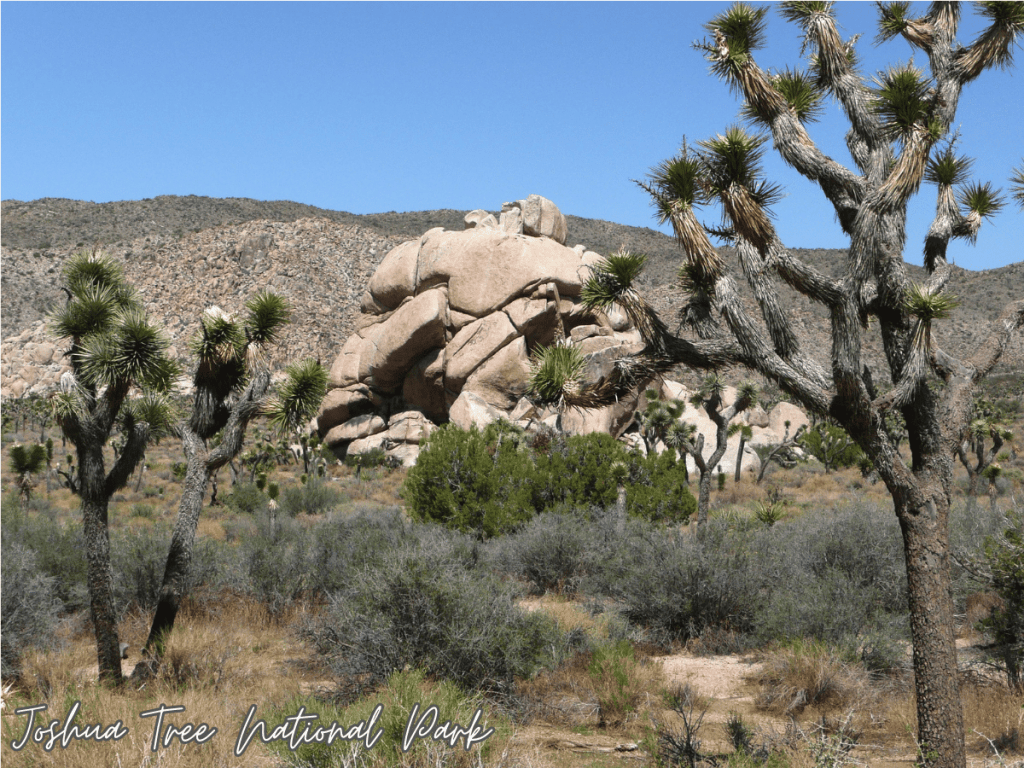
Joshua Tree National Park in California is famous for its unique Joshua trees, breathtaking rock formations, and stunning desert landscapes.
With its desert climate, the park is accessible year-round. However, spring and fall are particularly pleasant due to milder temperatures. March is the perfect time to visit Joshua Tree National Park. The weather is pleasant for hiking and rock climbing, witness beautiful wildflower blooms, and enjoy the park’s peaceful ambiance.
What is Joshua Tree like in March?
- Mild Temperatures: 48-72°F (9-23°C).
- Unique Joshua Trees: The park is named for its iconic Joshua trees and otherworldly plants that dot the park’s arid landscapes and create a surreal desert atmosphere.
- Spring Wildflowers: March brings blooming wildflowers to Joshua Tree, with colorful displays of desert marigolds, lupines, and poppies carpeting the desert floor.
Top Things To Do in Joshua Tree National Park in March
| Hiking: March offers mild temperatures for hiking, making it an ideal time to tackle popular trails such as Hidden Valley, Ryan Mountain, and Barker Dam. |
| Rock Climbing and Stargazing: Joshua Tree offers world-class rock climbing opportunities on its granite formations, as well as some of the clearest night skies in Southern California, making it a prime destination for stargazing and astrophotography. |
| Photography: March provides optimal lighting conditions for capturing stunning images of Joshua trees, unique rock formations, desert flora, and dramatic sunsets. |
| Wildlife Viewing: Keep an eye out for wildlife while exploring Joshua Tree. March offers opportunities to spot desert wildlife such as bighorn sheep, coyotes, desert tortoises, and a variety of bird species. |
| Geology Tours: Learn about Joshua Tree’s unique geology and rock formations on guided geology tours or interpretive hikes led by park rangers. Explore the park’s geological wonders, including monzogranite formations, ancient lava flows, and fault lines. |
| Backpacking and Camping: Obtain backcountry permits and explore designated wilderness areas such as the Wonderland of Rocks or the Pinto Basin. Enjoy camping at one of the park’s campgrounds or designated backcountry sites. |
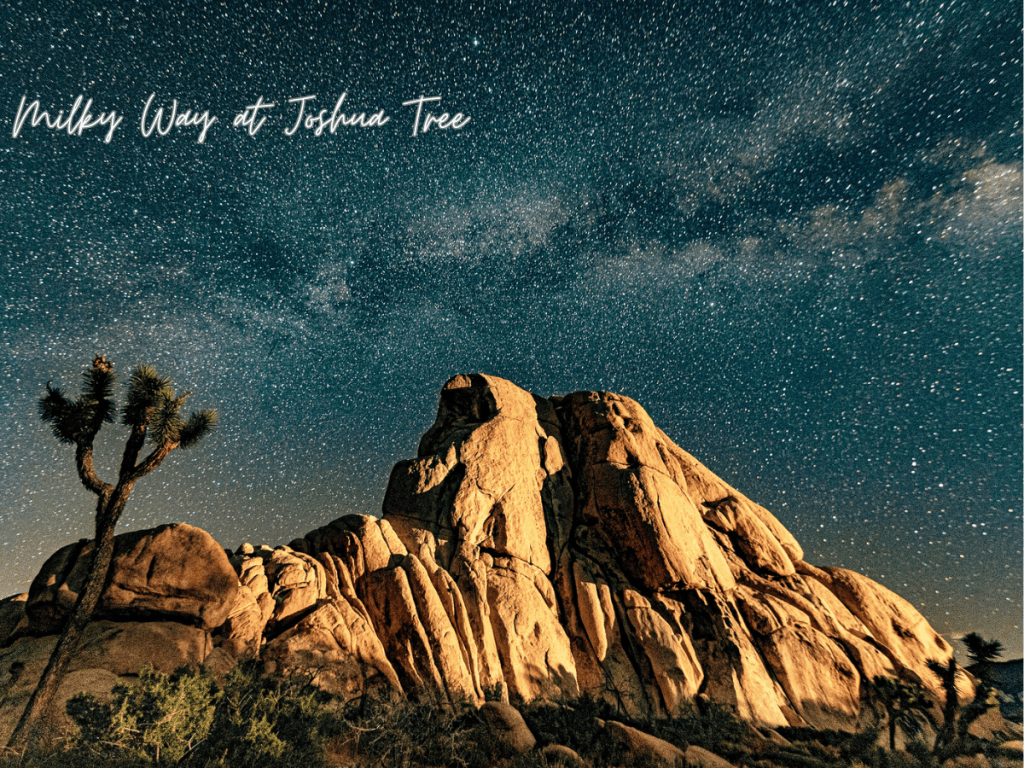
| Milky Way Visibility: One of the highlights of stargazing at Joshua Tree is the visibility of the Milky Way. On a clear night, the Milky Way stretches across the sky, offering a breathtaking display of stars, nebulae, and other celestial wonders. |
15. Death Valley National Park in March
Location: California
March is one of the best months to visit Death Valley National Park for several reasons. The weather is mild and comfortable, making it ideal for hiking and exploring the park’s unique landscapes. The wildflowers are typically in bloom during March, creating a stunning and colorful display across the desert terrain. With fewer crowds compared to the peak tourist season, visitors can also enjoy a more tranquil experience while taking in the park’s iconic landmarks such as Badwater Basin, Dante’s View, and the Mesquite Flat Sand Dunes.

What is Death Valley like in March?
- Mild Temperatures: 43-70°F (6-21°C). March offers mild temperatures for exploring Death Valley’s desert wilderness, with cooler temperatures making outdoor activities more manageable during the day.
- Extreme Landscapes: Death Valley National Park features some of the most extreme landscapes on Earth, including salt flats, dunes, and towering mountains, as well as the lowest point in North America, Badwater Basin.
- Wildflower Superblooms: Every few years, Death Valley experiences a “superbloom” event, where vast fields of wildflowers carpet the desert floor in a riot of color, attracting visitors from around the world to witness this spectacular natural phenomenon.
Top Things To Do in Death Valley in March
| Scenic Drives: Drive along Badwater Road to visit the lowest point in North America at Badwater Basin, and take the Artist’s Drive to see the colorful geological formations of Artist’s Palette. |
| Hiking: Discover Death Valley’s diverse hiking trails, which offer opportunities to explore canyons, sand dunes, and mountain peaks. March provides milder temperatures for hiking adventures, making it an ideal time to tackle trails such as Golden Canyon, Mesquite Flat Sand Dunes, and Dante’s View. |
| Photography: March provides favorable lighting conditions for capturing stunning images of the park’s unique geological formations, salt flats, dunes, and desert wildflowers. |
| Visit Badwater Basin: Explore the surreal landscape of Badwater Basin, the lowest point in North America. Walk out onto the salt flats and marvel at the vast expanse of shimmering salt crystals stretching to the horizon. |
| Visit Zabriskie Point: Take in panoramic views of Death Valley’s colorful badlands and erosional landscape from Zabriskie Point. March provides comfortable temperatures for hiking to this iconic viewpoint, where you can watch the sunrise or sunset illuminate the surrounding geological formations. |
| Explore Titus Canyon: Drive or hike through Titus Canyon, one of Death Valley’s most scenic and rugged canyons. |
| Enjoy Mesquite Flat Sand Dunes: March offers mild temperatures for exploring the beauty of Mesquite Flat Sand Dunes, where you can hike, sandboard, or simply admire the shifting patterns of sand against the backdrop of the mountains. |
If you are planning a trip to Death Valley,
be sure to check the official website for up-to-date conditions.
Watch more about Death Valley
More National Parks Worth Considering to Visit in March
There are many other incredible nature destinations and great National Parks to visit in March.
In addition to the top 15 parks mentioned earlier, there are several hidden gems and less crowded options that offer unique experiences. These parks provide a chance to escape the crowds and discover some of nature’s best-kept secrets.
One such gem is Great Basin National Park located in Nevada. Known for its stunning landscapes and night skies, this park offers a serene and peaceful environment. Explore the Lehman Caves, hike to the summit of Wheeler Peak, or simply relax and stargaze.
If you’re interested in coastal beauty, consider visiting Channel Islands National Park in California. Comprised of five islands, this park offers opportunities for snorkeling, kayaking, and hiking along scenic coastal trails. Immerse yourself in the unique marine ecosystem and admire the breathtaking views. Channel Islands National Park is one of the least visited national parks in the country because of its rather isolated location.
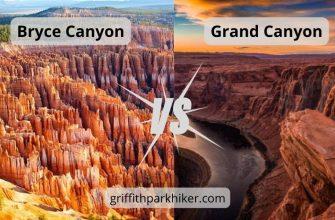
Bryce Canyon National Park is gorgeous and another one of Utah’s greatest national parks. It is one of the most beautiful US national parks, and March is one of the most rewarding times to visit Bryce Canyon.
Petrified Forest National Park in Arizona is a lesser-known park that is rich in unique geological formations and fossilized logs. Take a scenic drive along the park’s main road, hike to the colorful Painted Desert, and be awed by the ancient trees that have turned to stone over millions of years.
Guadalupe Mountains National Park is located in western Texas, near the border with New Mexico. It is home to Guadalupe Peak, the highest point in Texas, as well as numerous other peaks, canyons, and mesas. There are over 80 miles of hiking trails in the park, ranging from easy walks to challenging treks up steep mountainsides. March is one of the driest months of the year to visit Guadalupe Mountains National Park.
Acadia National Park in Maine is popular for scenic drives, with milder weather in March than in other months. In March, as the park emerges from winter, you can enjoy peaceful walks along the beautiful coastal trails, explore the island’s charming towns, and witness the stunning sunrise from the top of Cadillac Mountain.
Olympic National Park in Washington State is one of the great national parks in the West and offers one of the most diverse landscapes in the U.S., including temperate rainforests, rugged coastlines, and majestic mountains. In March, you can explore the park’s unique trails, like the Hoh Rainforest and the Hurricane Ridge, and witness the early signs of spring awakening the natural beauty of the park. One of the best things about visiting Olympic National Park in March is that the waterfalls will be at a high level from the rougher winter months.
As winter begins to transition into spring, Rocky Mountain National Park in Colorado offers a picturesque landscape with snow-covered peaks and frozen lakes. While the rest of national parks embrace snow-free terrain and the start of wildflower season, Rocky Mountain National Park enters its best period for snow activities. You can enjoy activities like cross-country skiing and ice skating on frozen lakes. Rocky Mountain National Park in Colorado packs in huge crowds in the summer, and even offers shuttle service to popular locations to reduce congestion, but a visit in the spring offers a much more peaceful experience.
Yellowstone National Park is not only the first national park in the United States but also one of the most remarkable. Historically, the month of March is Yellowstone’s 3rd least visited month, making it a fantastic time to visit if you are hoping to avoid the busy months. In March, you can witness the park’s unique geothermal features, such as the iconic Old Faithful geyser, with smaller crowds.
March is the ideal time to visit Pinnacles National Park because the weather is mild and there is the peak of blooming season for the flowers. The spring temperatures are perfect for hiking and exploring the park’s unique rock formations and caves. March is before the summer crowds arrive, so visitors can enjoy a more peaceful and tranquil experience at the park. Pinnacles National Park is located in Central California, just east of the Salinas Valley.
Hawaii Volcanoes National Park is a must-visit destination for nature lovers and adventure seekers. The weather in March is generally mild and pleasant, making it a great time to visit the Hawaii Volcanoes National Park. The park is home to two active volcanoes, Kilauea and Mauna Loa, and offers visitors the chance to see flowing lava, steam vents, and other volcanic activity. March is typically a less crowded time to visit the park, allowing visitors to experience its natural beauty and unique geological features.
Conclusion
Visiting national parks in March allows you to witness the beauty of nature uniquely. From the snow-covered landscapes of Yellowstone to the desert blooms of Joshua Tree, each park offers distinct experiences. Consider the factors mentioned above when choosing the best national park for your March adventure. We hope that this guide to the best national parks to visit in March at least gives some inspiration and encourages you to book a trip to some of these otherworldly and beautiful places!
FAQ
What are the best national parks to visit in March?
March is one of the best months to explore the national parks. Among the best national parks in March, Death Valley, Arches, Zion, Joshua Tree, and Grand Canyon are worth a visit. The weather in March is perfect for outdoor activities and exploring the parks.
When is the least busy time to visit national parks?
March is generally considered a less busy time to visit national parks. While it’s still a popular time, it is not as crowded as in late March, when many tourists flock to the parks.
What are the reasons to visit a national park in March?
March is an ideal time to visit national parks, offering pleasant weather and fewer crowds compared to the summer months. It’s also a great time to enjoy the beauty of mountains in March and experience the wildlife and natural wonders of national parks.
Which national park can be visited throughout the year in the United States?
Several national parks in the United States can be visited throughout the year due to their diverse climates and landscapes. Here are some examples: Death Valley National Park, Joshua Tree National Park, Everglades National Park, Grand Canyon National Park, Zion National Park, and Hawaii Volcanoes National Park. However, it’s important to check weather conditions and park regulations before planning your visit, as accessibility and conditions can vary depending on the season.
More travel inspiration for American best National Parks:
- Best spring hikes in Washington to be closer to nature
- Sedona or Grand Canyon? [Uncover 6+ Key Aspects and Decide Where to Visit]
- Exploring the Contrasts: Appalachian Mountains vs. Smoky Mountains
- Best fall hikes in Washington state: detailed overview!
- Olympic National Park vs. Mount Rainier: what is the best?
- Hiking the Narrows for beginners: what you need to know for the best hike in the Zion National Park
- Is Big Bend National park safe: your trip guide